
Home » Bovi-Noticias » Bovi-Noticias HPAI Special Issue (February 2026)
Bovi-Noticias HPAI Special Issue (February 2026)
Bovi-Noticias
HPAI SPECIAL ISSUE 2026
Table of Contents
What to do if you suspect a case in your herd?
If you see HPAI symptoms in cows, contact your herd veterinarian immediately.
In Wisconsin, suspected cases should be reported to the State Veterinarian (DATCP) at
(608) 224-4872.
Bird flu (HPAI) in Wisconsin Dairy
Farms
Historically, Highly Pathogenic Avian
Influenza (HPAI) was seen as a bird disease. However, this virus has shown an increasing ability to jump to mammals, like cows.
Last December, bird flu was detected through the National Milk Testing Strategy in Wisconsin. Unlike cases in other states, the new strain of the virus caused no visible symptoms in cows. Although the virus is not lethal, its presence still requires strict management practices to protect herd health and the farm’s economy.
Safety First
Protect yourself by using Personal Protective Equipment (PPE) correctly
A zoonotic disease is an illness that can spread from animals to people. While some workers may hesitate to use PPE due to discomfort or peer pressure, proper PPE use is essential to prevent zoonotic diseases like bird flu. Basic PPE are: Boots, apron, sleeves, gloves, facemask and eye protection.
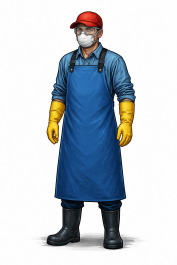
Learn how to use Personal Protective
Equipment (PPE) the right way.


What HPAI Symptoms to Watch for in Cows?
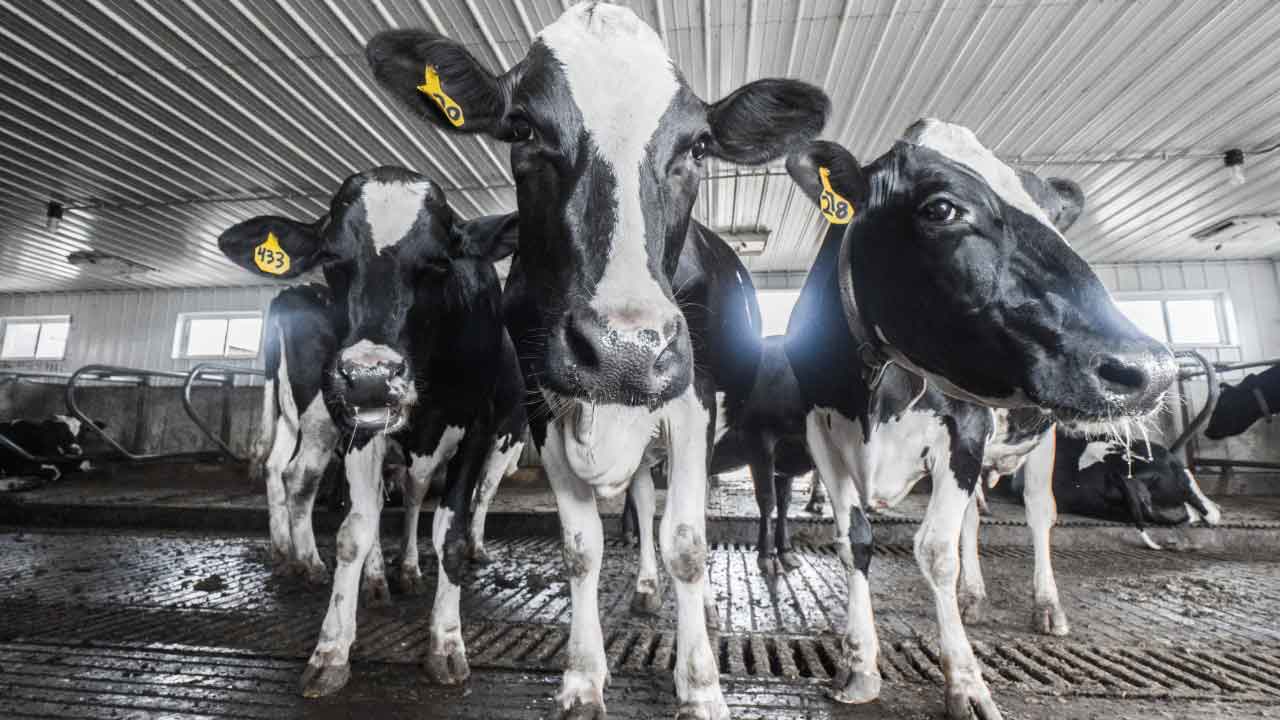
Early detection is critical. For this reason, it is very important to monitor your herd, especially older cows in mid-to-late lactation, for these signs:
- Loss of appetite: Cows eat less or stop eating, and there is a noticeable decrease in rumen’s motility.
- Sudden milk drop: Milk production goes down quickly in many cows.
- Abnormal milk: Milk looks thick and yellow (colostrum-like).
- Changes in manure: Manure that appears unusually dry, firm, or tacky.
- General slowness (lethargy) and low-grade fever.
Which cows are at higher risk?
- Target group: Primarily affects cows in their 2nd lactation or higher.
- Duration: The illness usually peaks within 4–6 days.
- Recovery: Most cows return to health in 10–12 days, though it may take over a month for milk production to stabilize.
How to care for affected cows?
There is currently no vaccine or antiviral treatment for HPAI in cattle. Treatment focuses on supportive animal care:
- Hydration: Providing electrolytes and easy access to fresh water.
- Isolation: Quarantining sick animals to prevent transmission via milking equipment.
- Milk safety: All milk from affected cows must be discarded. Never drink raw milk! Do not feed raw milk or colostrum from sick cows to calves or farm pets (cats are especially vulnerable).
- Biosecurity: Implement strict protocols for disinfecting footwear, equipment, and personnel when entering (scrub-in) and exiting (scrub-out) animal areas, especially high-risk zones. Limit wild bird access to feed and water.

What Dairy Employers and Workers Need to Know About Avian Influenza
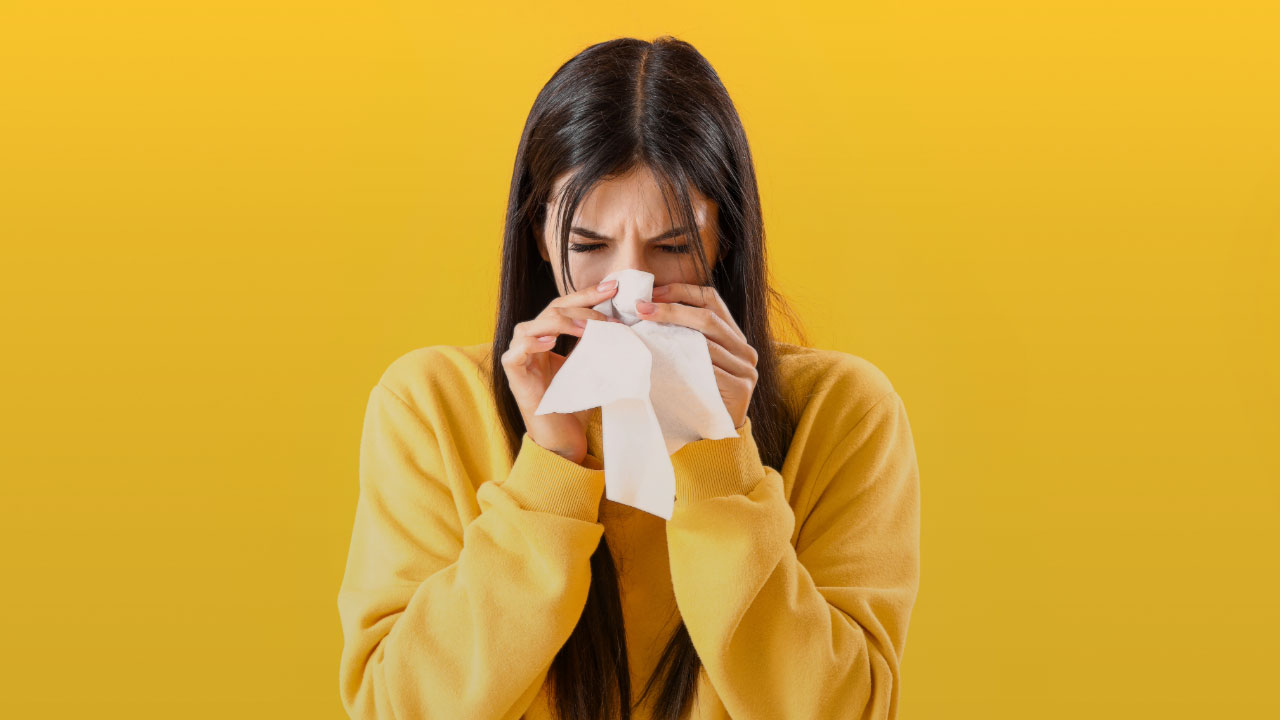
Highly Pathogenic Avian Influenza (HPAI), commonly known as bird flu, is a disease caused by the avian influenza Type A virus. It spreads through the saliva, mucus, and feces of infected birds and other animals. Recently, it has been detected in cows, raising concerns for dairy workers.
The risk of human infection remains low, but illness has occurred in people with close or frequent exposure. Humans can become infected if the virus enters the eyes, nose, or mouth, or is inhaled through contaminated dust or droplets. Consuming raw or unpasteurized milk, eggs, or undercooked meat may also increase risk.
Symptoms may include
- Fever or chills
- Sore throat
- Runny or stuffy nose
- Red or irritated eyes
- Body aches
- Fatigue
- Headaches
- Diarrhea
- Shortness of breath
Actions to Protect yourself and your family
- Use proper personal protective equipment (PPE)
- Wash your hands often with soap and water
- Avoid touching your eyes, nose, and mouth
- Never drink raw or unpasteurized milk
If you get sick and think you may have been exposed to HPAI, tell your health care provider that you work on a dairy farm and may have been exposed through your work