

Articles
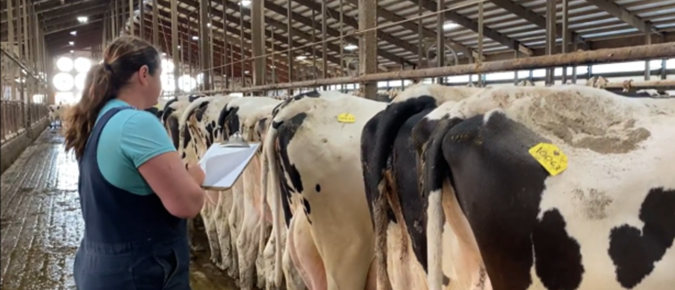
Synchronization protocols and compliance for dairy cattle reproduction
Synchronization protocols evolve rapidly as newer procedures are tested and improvements are made. To help veterinarians and industry professionals deal with rapid change and make informed decisions related to synchronization protocols, the Dairy Cattle Reproduction Council (DCRC) has created synchronization protocol sheets for dairy cows and dairy heifers.
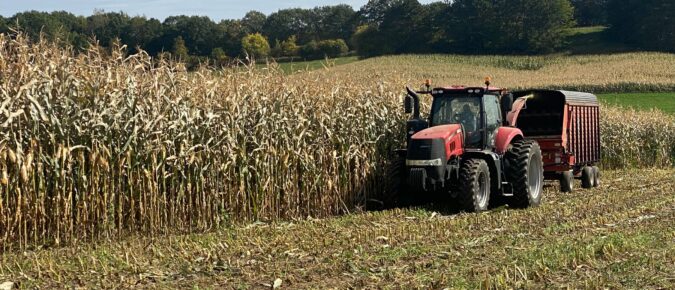
Effects of Hail Damage on Standing Corn Silage Nutrient Composition: A 2023 Case Study
During the summer of 2023 Northwest Wisconsin experienced several hail events. Large hail and 60 mph straight line winds came through the Rice Lake area of Barron County on July 20, 2023. On July 24, a hail event also caused damage in central St. Croix County.
![Manure processing technologies [Video] ▶️](https://dairy.extension.wisc.edu/files/2023/11/IMG_5337-675x290.jpg)
Manure processing technologies [Video] ▶️
In this video Rebecca Larson, Professor and Extension Specialist in the Nelson Institute for Environmental Studies at the University of Wisconsin-Madison will talk about manure processing systems.
Cold stress in dairy calves
Raising calves is a huge expense on any dairy farm and getting them off to a great start is important in cold weather as much as warm weather. Cold stress can increase the risk of disease in pre-weaned calves.
![Fresh Cows: Fetching the cow and blood money [Video] ▶️](https://dairy.extension.wisc.edu/files/2020/10/49716651133_2fa3171fbe_k-675x290.jpg)
Fresh Cows: Fetching the cow and blood money [Video] ▶️
Badger Dairy Insight webinar recording from September 2023
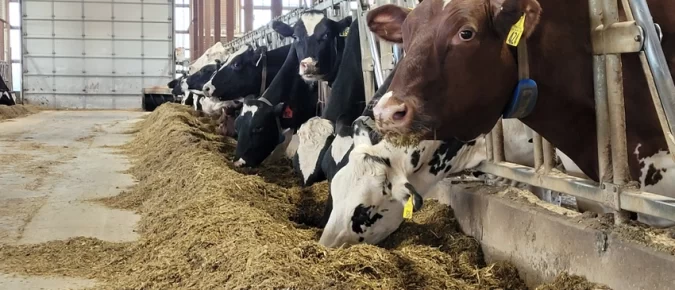
Sub-optimal transition cow care causes significant economic losses
Earlier in the year, I attended the Four-State Dairy Nutrition and Management Conference, where many of the topics focused on transition cow care. One of the big take-home points from more than one speaker was that prevention of clinical disease is vital for long-term success of your cows. Issues during the transition period are associated with reduced reproduction and milk production. Prevention is followed closely by early diagnosis of clinical disease issues.
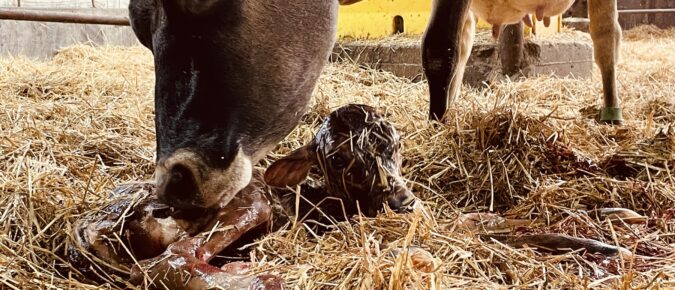
Fresh cows: Milk fever
Even though hypocalcemia, commonly known as milk fever, has been a fresh cow problem for years, it has been addressed through nutritional management during the dry period and early lactation to decrease clinical cases to less than 1%. However, 73% of 3rd and greater lactation animals have had subclinical hypocalcemia.
![Robotic milking farms and digital dermatitis [Video] ▶️](https://dairy.extension.wisc.edu/files/2023/10/foot-in-bath-2-675x290.jpg)
Robotic milking farms and digital dermatitis [Video] ▶️
Digital dermatitis, commonly known as hairy heel warts, is a common infectious foot disease that causes lameness in cattle and often leads to decreased milk production, performance, and fertility in cattle. Learn how it affects robotic milking farms and strategies for prevention in this video.
Stepping up your footbath management game [Video] ▶️
Digital dermatitis, commonly known as hairy heel warts, is a common infectious foot disease that causes lameness in cattle and often leads to decreased milk production, performance, and fertility in cattle. Watch this video to learn more.
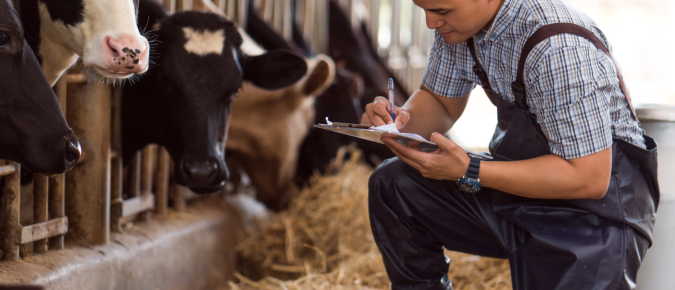
The high fertility cycle in dairy cattle
Over the past two decades, a reproduction revolution has occurred in the dairy industry. Twenty years ago, the 21-day pregnancy rate in U.S. dairy herds averaged about 14% with conception rates rarely exceeding 40%. In 1998, the annualized 21-day pregnancy rate goal was 20%, which few herds could achieve.
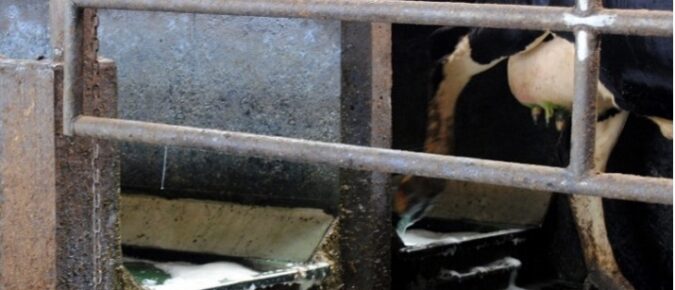
Impact of copper sulfate footbath use on eastern Wisconsin’s manure, soil, and forage copper concentrations
Healthy soil is the foundation of a productive farm. Monitoring soil health and maintaining soil integrity can improve water filtration, boost crop production and health, and foster biological and physical components of soil. Fields that receive dairy manure are likely to receive higher copper concentrations than non-dairy manure.
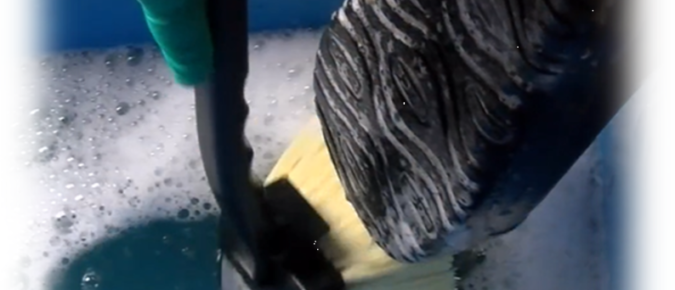
Step into biosecurity with clean and disinfected boots
Keeping your livestock safe from microbes, including bacteria, viruses, and fungi, is the biosecurity goal that all farms should have. Wearing clean, sanitized footwear helps meet this goal as foot traffic moves microbes to and around the farm.