

Articles
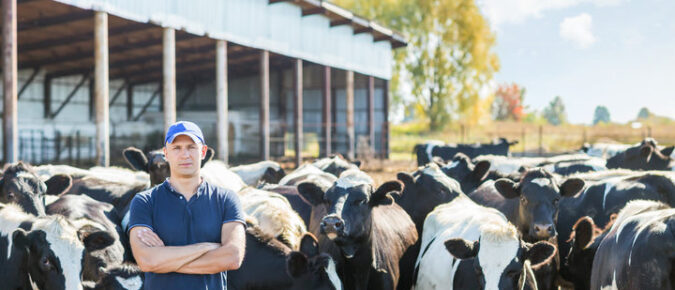
Dairy Cow Stress and Strain: Impacts on Reproduction
Why do cows that face a common challenge (Stress) respond differently to it (Strain), and how do managers capitalize on this?
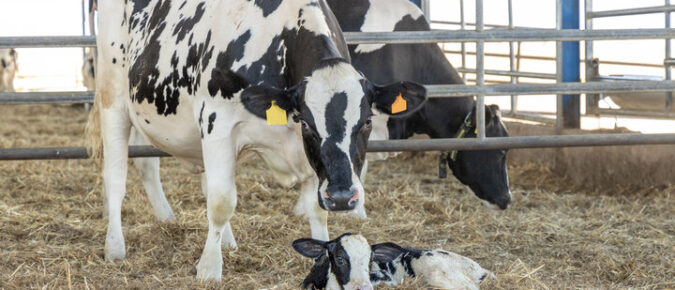
Activity Monitoring Technology for Reproductive Management of Dairy Cows
Advances in activity monitoring technology have taken electronic estrus (heat) detection from concept to reality on more dairy farms today. This is of significance because estrus detection has historically been a challenging task.
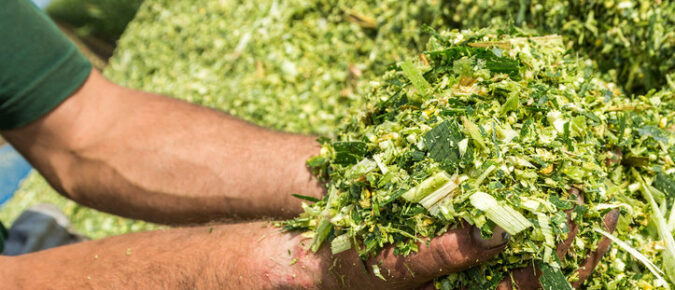
MILK2024 – Background and Guide
Information on the evaluation of the nutritive value of corn silage or corn hybrids for potential use in silage production.
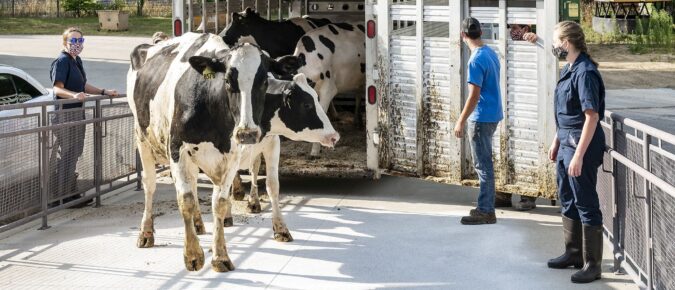
Resources for Highly Pathogenic Avian Influenza (HPAI) H5N1 virus in Cattle
Highly Pathogenic Avian Influenza (HPAI) H5N1 virus is an emerging issue that poses a significant threat to the health and well-being of dairy herds.
![Strategies for improving reproduction in dairy herds [Video] ▶️](https://dairy.extension.wisc.edu/files/2024/04/BDI-2024-03-19-675x290.jpg)
Strategies for improving reproduction in dairy herds [Video] ▶️
Dr. Paul Fricke and Dr. JP Martins discuss optimizing the use of sexed and beef semen in dairy herds, managing heifer growth and reproduction, and optimizing re-synchronization programs in lactating dairy cows.
![Fats in the dairy diet [Video] ▶️](https://dairy.extension.wisc.edu/files/2024/03/Badger-Dairy-Insight-Lyssa-Seefeldt-675x290.jpg)
Fats in the dairy diet [Video] ▶️
Lyssa Seefeldt discusses the use of fats in dairy rations, how fats are digested & metabolized, types of fats, and potential limitations of using various fats in dairy diets.
![Balancing diets for energy & amino acids to maximize milk components [Video] ▶️](https://dairy.extension.wisc.edu/files/2024/03/Badger-Dairy-Insight-Sebastian-I-Arriola-Apelo-675x290.jpg)
Balancing diets for energy & amino acids to maximize milk components [Video] ▶️
Sebastian I Arriola Apelo discusses amino acid balancing when feeding different energy sources to maximize milk protein and fat. Discussion will include various scenarios, including consideration of an induced milk fat depression.
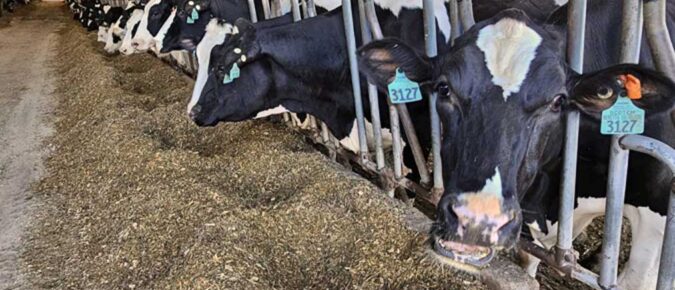
Risks of inadequate fiber in the diet
Fiber in the diet provides an important role in rumen function and digestive health. The varying levels of digestibility of fiber are due, in part, to differences in the amount of lignin, the part of the plant cell wall that provides the plant rigidity.
![Udderly Efficient: Management strategies for optimal performance [Video] ▶️](https://dairy.extension.wisc.edu/files/2024/02/14284368844_157fa36fa2_k-675x290.jpg)
Udderly Efficient: Management strategies for optimal performance [Video] ▶️
In this insightful webinar, gain a comprehensive understanding of how these practices can significantly enhance efficiency in the milking parlor and beyond.
![Selection of dairy cows for consistent performance under predictable conditions [Video] ▶️](https://dairy.extension.wisc.edu/files/2024/02/Badger-Dairy-Insight-Kent-Weigel-675x290.jpg)
Selection of dairy cows for consistent performance under predictable conditions [Video] ▶️
Kent Weigel, Professor and Chair of the Department of Animal and Dairy Sciences at the University of Wisconsin – Madison Division of Extension, presents on current research on the day-to-day consistency of dry matter intake, milk yield, and the genetics behind it.
![National Beef Quality Audit – Results That Impact You [Video] ▶️](https://dairy.extension.wisc.edu/files/2024/02/2022-National-Beef-Quality-Audit-Video-675x290.jpg)
National Beef Quality Audit – Results That Impact You [Video] ▶️
In this video Michaela Clowser, Tammy Vaassen and Bill Halfman discuss the 2022 NCBA Quality audit results with dairy and beef producers.
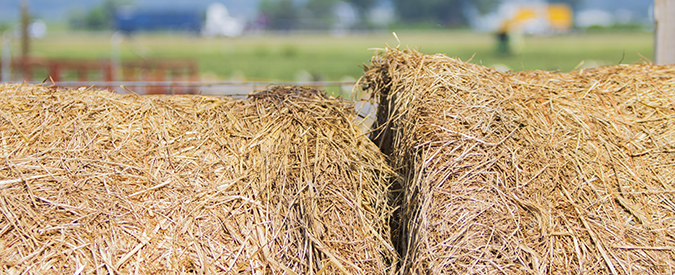
Forage Testing Functionality
Forage testing has the potential to allow you to more effectively utilize your forages. Using test results can help you realize more pounds of milk from your cows by helping you decide where to best use your forages and how to complement them in your ration. Using forage testing is a relatively inexpensive way to maximize your efficient use of forage.