Skip to content
UW Madison Crest

Dairy

Division of Extension

  • HPAI
  • Topics
    • Animal Welfare & Herd Health
    • Emerging Technologies and Facilities
    • Feed and Nutrition
    • Heat Stress
    • Milk Quality and Milking Systems
    • Reproduction and Genetics
  • Events
  • News
  • Dairy Programs
    • Badger Dairy Insight
    • El “Break” Info-Lechero
    • Four-State Nutrition and Management Conference
    • Midwest Manure Summit
    • Milk Quality from the Udder World: Trainer Certification Program
  • Articles
  • Newsletters
    • Dairy Newsletter
    • Bovi-Noticias
  • People
  • About
    • About the Dairy Program
    • Our Impacts
    • Sign-up for the Dairy Program Newsletter
  • Contact Us
Search
University of Wisconsin-Extension

Feed and Nutrition


Focus your search

Feed
Nutrition


Articles

Effects of Hail Damage on Standing Corn Silage Nutrient Composition: A 2023 Case Study

Effects of Hail Damage on Standing Corn Silage Nutrient Composition: A 2023 Case Study

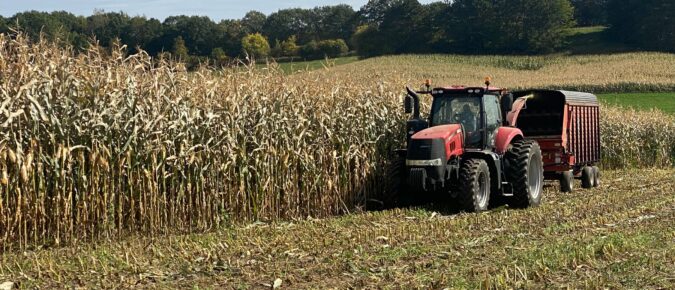
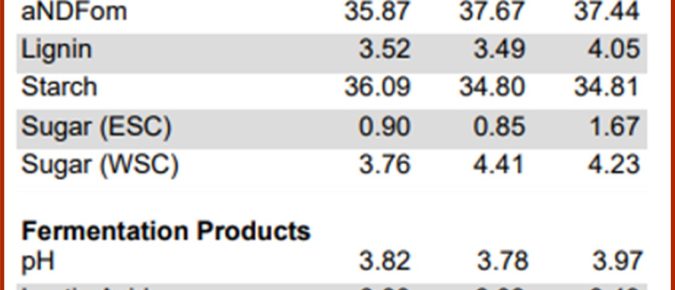
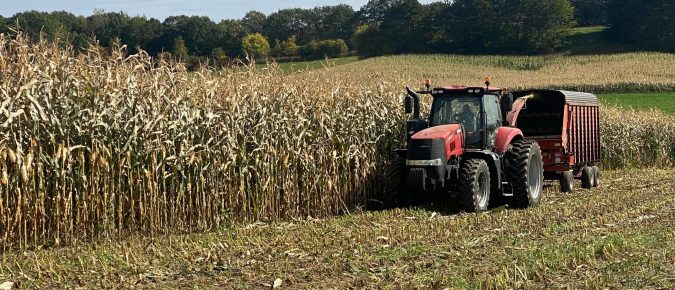
During the summer of 2023 Northwest Wisconsin experienced several hail events. Large hail and 60 mph straight line winds came through the Rice Lake area of Barron County on July 20, 2023. On July 24, a hail event also caused damage in central St. Croix County.

Sub-optimal transition cow care causes significant economic losses

Sub-optimal transition cow care causes significant economic losses

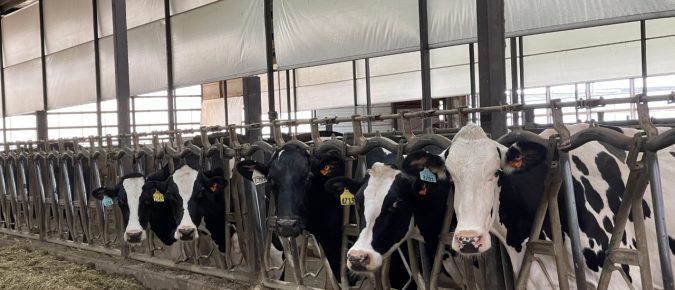
Earlier in the year, I attended the Four-State Dairy Nutrition and Management Conference, where many of the topics focused on transition cow care. One of the big take-home points from more than one speaker was that prevention of clinical disease is vital for long-term success of your cows. Issues during the transition period are associated with reduced reproduction and milk production. Prevention is followed closely by early diagnosis of clinical disease issues.

Using lab tests to estimate forage stability and fermentation efficiency

Using lab tests to estimate forage stability and fermentation efficiency

Today many forage tests provide information beyond the energy and protein in the feed but also feed fermentation quality and its stability in the manger.  Having efficient fermentation is critical to ensure the forages being fed are highly palatable and digestible.

Silage-specific corn hybrids for dairy cattle diets

Silage-specific corn hybrids for dairy cattle diets

Corn silage is a key forage fed to lactating dairy cows in Wisconsin. Upgrading the nutritional value of corn silage could maximize the consumption of dry matter or increase the energy density of the diet.

Maximize feed bunk management to increase profitability

Maximize feed bunk management to increase profitability

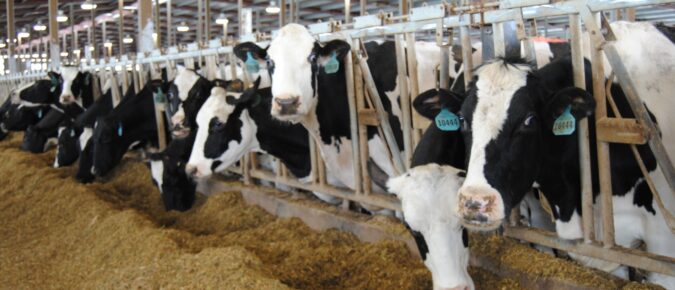
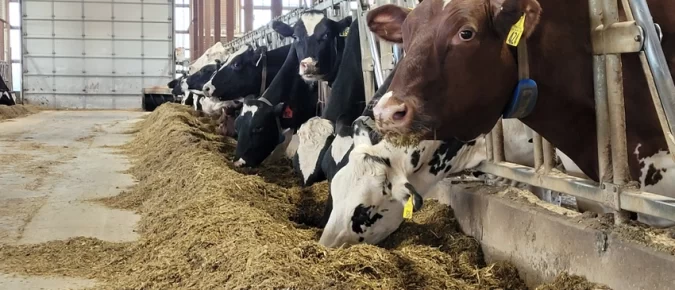
Something that is constantly on the mind of dairy producers, no matter how small or large the farm, is the cost of production. Feed is the largest input cost on the dairy, making efficiency with feed bunk management a priority for all dairy farm managers.

Fecal starch calculator – Background and guide

Fecal starch calculator – Background and guide

Starch digestibility varies greatly within and among feedstuffs and thus, evaluating starch digestibility is essential for satisfactory diet formulation, nutritional management, and income over feed costs. Commercial laboratories that offer feed analysis have multiple options to measure starch digestibility of feeds and forages, and fecal starch is one of these options.

▶️ Watch: New insights about corn silage fatty acids

▶️ Watch: New insights about corn silage fatty acids

Feeding to maximize milk components has been an indispensable practice to optimize dairy profitability and homegrown forages are vital for this process. High-quality corn silage supplies energy for both the maintenance and lactation of high-producing cows.

Managing transition cows on the smaller farm

Managing transition cows on the smaller farm

Why is it that dairy farms in my area are averaging under the Wisconsin average of 24,884 pounds of milk per cow?  This question got me asking questions to some farmers and agri-service providers.  One piece of the puzzle that emerged is that we may need to be paying closer attention to transition cows in our smaller herds.  Care of the transition cow is not a new concept, but management strategies for the smaller farm may be overlooked when recommendations are shared.

Check Your Corn Silage Processing During Harvest to Ensure Optimal Nutrition

Check Your Corn Silage Processing During Harvest to Ensure Optimal Nutrition

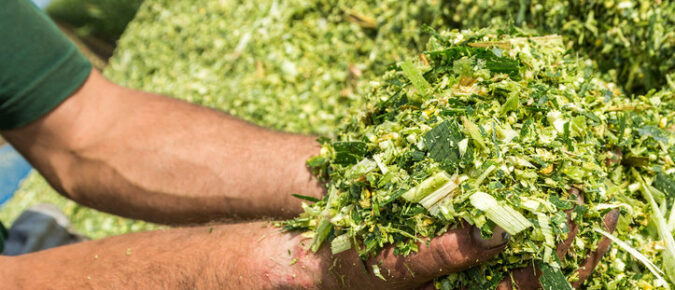
Ruminants are built to eat quickly, so paying attention to what is going into their mouth will ensure they receive proper nutrition.  Starch utilization is improved by making sure corn is broken down into smaller pieces, not just cracking the kernel into two pieces.  The increased exposed surface area of the inner parts of the corn kernel allows the animal to get the most out of their corn silage feed since rumen bacteria have better access to the starch inside the corn kernels.  The improved access to the starch is one reason it is so important to have proper corn processing. 

Cocktail Forage Mix Yield, Quality, and Use in Lactating Cow Diets

Cocktail Forage Mix Yield, Quality, and Use in Lactating Cow Diets

Studies to evaluate cocktail forage mixes were conducted in 2021 and supported by the UW Dairy Innovation Hub. Research discussed here includes collection of on-farm data from four farms growing a cocktail forage mix and a lactating cow feeding trial at the UW Marshfield Agricultural Research Station (ARS). Please refer to the “Cocktail Forage Mix […]

Use of high-fiber forages in pregnant dairy heifer diets

Use of high-fiber forages in pregnant dairy heifer diets

The nutrient needs of dairy heifers change with age and size as they approach maturity with feed intake increasing and diet nutrient concentrations decreasing (Table 1). This is due to changes in growth with heifers having a higher rate of protein growth prior to breeding with slower protein growth as they approach mature body weight. […]

Feeding for efficiency: Dietary impacts on greenhouse gas production

Feeding for efficiency: Dietary impacts on greenhouse gas production

A greenhouse gas is any gas in the atmosphere capable of absorbing heat from the sun and stopping it from radiating back into space. Many greenhouse gases occur naturally in our environment at low concentrations. However, human activity is increasing the concentration of greenhouse gases in our atmosphere, thereby trapping, and storing, additional heat and […]

Posts navigation

Posts pagination

◄ Page 1 Page 2 Page 3 Page 4 Page 5 Page 6 ►

Division of Extension

Connecting people with the University of Wisconsin

  • Agriculture
  • Community Development
  • Health & Well-Being
  • Families & Finances
  • Natural Resources
  • Positive Youth Development

Agriculture at Extension

  • Agriculture Water Quality
  • Crops and Soils
  • Farm Management
  • Horticulture
  • Livestock

Questions?

Contact us at dairy@extension.wisc.edu

Dairy Newsletter

Stay up to date on the latest information and upcoming programs from Extension Dairy, sign up for our newsletter.

Sign up now.

University of Wisconsin-Madison      |        Explore Extension: Agriculture Community Development Families & Finances Health Natural Resources Youth
Connect With Us
Support Extension
Extension Home

We teach, learn, lead and serve, connecting people with the University of Wisconsin, and engaging with them in transforming lives and communities.

Explore Extension »

County Offices

Connect with your County Extension Office »

Map of Wisconsin counties
Staff Directory

Find an Extension employee in our staff directory »

staff directory
Social Media

Get the latest news and updates on Extension's work around the state

facebook iconFacebook

twitter icon Follow on X


Facebook
Follow on X

Feedback, questions or accessibility issues: info@extension.wisc.edu | © 2026 The Board of Regents of the University of Wisconsin System
Privacy Policy | Non-Discrimination Statement & How to File a Complaint | Disability Accommodation Requests

The University of Wisconsin–Madison Division of Extension provides equal opportunities in employment and programming in compliance with state and federal law.