Introduction
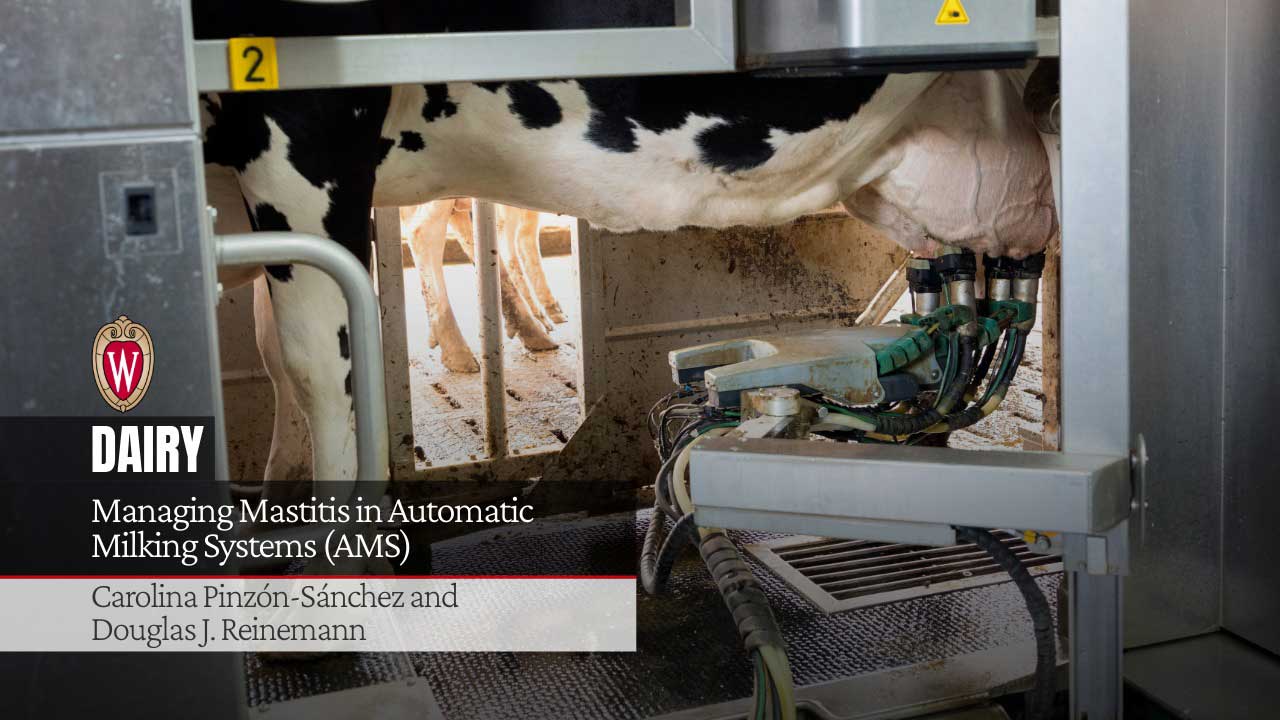
Mastitis management remains a top priority in both conventional and Automatic Milking Systems (AMS) 🔎. Mastitis is one of the most common and economically impactful diseases in dairy cattle. It occurs when pathogens enter the udder through the teat canal, leading to reduced milk production, discarded milk, treatment costs, increased labor, veterinary expenses, impaired reproductive performance, and higher culling rates.
Mastitis Prevention in AMS
Regardless of the milking system, prevention begins with rigorous hygiene. A well-designed housing setup that offers clean, dry, and comfortable bedding is essential for cow cleanliness. Managing the cow’s environment reduces bacterial exposure and lowers mastitis risk. Key practices include regular cleaning of stalls and alleys, frequent bedding replacement, and routine udder hair removal to maintain clean legs, udders, and teats.
Effective milking preparation supports udder hygiene and cow physiology by promoting milk let-down, enabling timely teat cup attachment, and reducing milking time 🔎. While pre-milking teat sanitation varies by AMS brand, the goal is consistent: attach a properly functioning milking unit to clean, dry, and well-stimulated teats. The udder’s cleanliness upon entering the milking box significantly influences this process.
Post-milking teat disinfection is equally critical. It removes bacteria from the teat skin when the teat canal remains open and the udder is most vulnerable. Consistent and thorough coverage helps prevent new intramammary infections.
Equipment maintenance is non-negotiable. Milking systems must be serviced and tested regularly per manufacturer guidelines. Monitoring the accuracy of pre- and post-milking sanitation cycles ensures effective cleaning and prevents bacterial spread. The robotic arm’s 🔎 exterior should also be cleaned and sanitized routinely to avoid bacterial buildup.
Mastitis Detection in AMS
Mastitis is generally classified as either clinical or subclinical based on the visibility of symptoms. Cows with subclinical mastitis appear healthy, with normal-looking udders and milk, but their milk contains a high somatic cell count (SCC), indicating an immune response to infection. In contrast, cows with clinical mastitis show visible symptoms that vary in severity. Mild cases involve abnormal milk with no visible udder changes; moderate cases include abnormal milk along with swelling or heat in the udder; and severe cases present with systemic signs such as fever, lethargy, or reduced appetite.
Early mastitis detection is vital for animal welfare, milk quality, and regulatory compliance. Prompt identification enables timely treatment and limits the spread of contagious pathogens. In both conventional and automated systems, abnormal milk must be diverted 🔎 from the bulk tank to maintain quality standards and protect the food supply.
In conventional parlors, human observation is the gold standard. Milking staff assess the cow, udder, and foremilk during each session to spot signs of infection, allowing for immediate intervention. AMS, by contrast, relies on technology. Robots use sensors to monitor udder health indicators and serve as the first line of detection.
All commercial Automated Milking Systems use algorithms to analyze and integrate milk quality indicators—such as conductivity 🔎, color, somatic cell count (SCC), and others—along with quarter-level milk yield and the cow’s frequency of visits to the AMS. These data deviations from normal patterns may suggest mastitis, prompting the system to generate an alert 🔎.
Cow-mounted activity monitors (ear tags, collars, leg transponders) track behavioral changes that may signal systemic illness. Reduced activity or altered movement patterns can be early warning signs. Similarly, rumination sensors—whether worn externally or placed in the rumen—measure rumination time. A drop in rumination is often one of the first signs of systemic health problems, including fever, pain, or metabolic disorders.
These technologies support early detection and intervention, improving welfare and reducing treatment costs. Mastitis detection is evolving rapidly, with artificial intelligence now integrating data from multiple sources to enhance diagnostic accuracy.
Sensitivity and Specificity
Understanding how accurately sensors detect mastitis is key. Two terms help evaluate performance: sensitivity and specificity.
- Sensitivity refers to the system’s ability to detect cows that truly have mastitis. A highly sensitive system will catch most sick cows. When sensitivity is low, some sick cows may be missed—these are called false negatives.
- Specificity refers to the ability to correctly identify healthy cows. A system with high specificity generates few false alarms. Low specificity means more healthy cows are wrongly flagged as sick, resulting in false positives.
No system is perfect. Increasing sensitivity often reduces specificity, and vice versa. A highly sensitive system may flag more healthy cows, while a highly specific one might miss sick animals. This trade-off matters: too many false positives waste time and milk; too many false negatives compromise cow health and milk quality.
Fortunately, many systems allow users to adjust these settings. When milk quality is stable, higher specificity can reduce false alarms. During high mastitis risk periods, increased sensitivity helps catch more true cases.
Integrating AMS Insights into Daily Herd Health
Effective mastitis management combines technology with hands-on care. Trained personnel should follow these steps:
- Review system alerts to identify flagged cows.
- Conduct physical exams for clinical mastitis using visual checks (milk abnormalities), palpation (udder inflammation), and temperature readings.
- Divert abnormal milk from the bulk tank.
- Collect aseptic milk samples for pathogen identification (culture, PCR, or other diagnostics).
- Use cow-side tests like the California Mastitis Test (CMT) to detect subclinical mastitis.
- Monitor flagged cows without visible signs, as they may have subclinical infections.
- Follow treatment protocols developed with a herd veterinarian.
- Avoid unnecessary antibiotic use and base treatment on severity, cow history, and pathogen type.
Conclusion
Managing mastitis in AMS requires understanding both the capabilities and limitations of sensor data. While AMS excels at detecting abnormalities, it cannot diagnose diseases or recommend treatments. Human oversight remains essential for accurate interpretation and timely response. By combining technology with consistent daily routines and veterinary guidance, producers can improve udder health, enhance milk quality, and ensure animal welfare.
Author

Carolina Pinzón-Sánchez
Bilingual Dairy Outreach Specialist – As a statewide Dairy Outreach Specialist, Carolina identifies needs and incorporates research findings into high-quality outreach education programs around dairy production.

Douglas Reinemann
Milking Machine & Farm Energy, Cals Associate Dean for Extension – Douglas Reinemann is associate dean for extension and outreach in the College of Agricultural and Life Sciences. As associate dean, he coordinates activities of CALS Extension faculty and academic staff with the Division of Extension, as well as outreach activities in the college. Dr. Reinemann is also a professor and Extension specialist in the Department of Biological Systems Engineering. His Extension programs are focused on machine milking, milk quality, and farm energy issues.
Published: January 16, 2026
Reviewed by:
- Jackie McCarville, Regional Dairy Educator at the University of Wisconsin–Madison Division of Extension
- Matt Lippert, Regional Dairy Educator at the University of Wisconsin–Madison Division of Extension
- Stephanie Bowers, Regional Dairy Educator at the University of Wisconsin–Madison Division of Extension
References
- Bausewein, M.; Mansfeld, R.; Doherr, M.G.; Harms, J.; Sorge, U.S. Sensitivity and Specificity for the Detection of Clinical Mastitis by Automatic Milking Systems in Bavarian Dairy Herds. Animals 2022, 12, 2131. https://doi.org/10.3390/ani12162131
- Edmondson, Peter. Mastitis Control in robotic milking systems. M2-Magazine (Magazine on Mastitis and Milk quality for the dairy professional) #8, Volume 4, February 2014. https://m2-magazine.org/
- Penry, J.F. Mastitis Control in Automatic Milking Systems. Vet. Clin. N. Am. Food Anim. Pract. 2018, 34, 439–456. https://doi.org/10.1016/j.cvfa.2018.06.004