

Highly Pathogenic Avian Influenza (HPAI) virus in Wisconsin
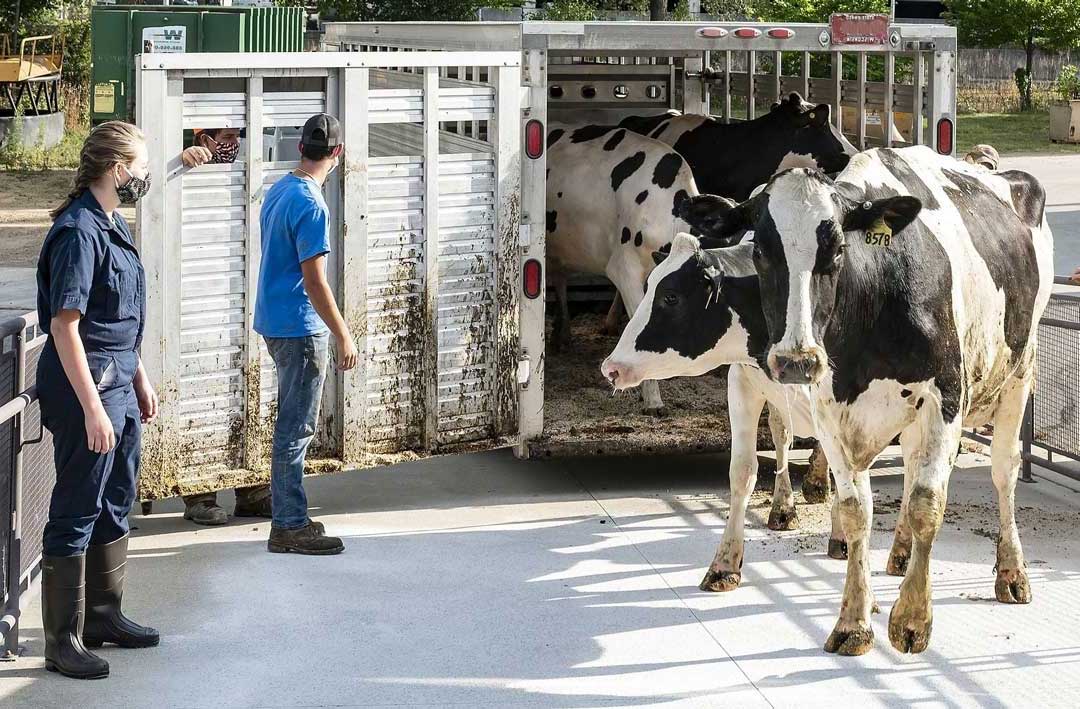
Highly Pathogenic Avian Influenza (HPAI) virus in Wisconsin Cattle
Dairy farmers and the industry should prioritize strategies aimed at prevention, early detection, biosecurity, and effective management to mitigate the spread of this disease and minimize its adverse effects. Below are considerations and resources to help protect animals and humans from HPAI.
Highly Pathogenic Avian Influenza (HPAI) H5N1 virus in Wisconsin Cattle
Current HPAI Situation in Wisconsin
Current HPAI Situation in the United States
What is Highly Pathogenic Avian Influenza (HPAI) H5N1 virus?
Current HPAI Situation in Wisconsin
News
HPAI Detected in Dodge County Dairy Herd ↗️
(Source: Wisconsin Department of Agriculture, Trade and Consumer Protection)
Charts & Maps
Highly Pathogenic Avian Influenza (H5N1) in Dairy Cattle ↗️
(Source: Wisconsin Department of Agriculture, Trade and Consumer Protection)
HPAI Surveillance Zone and Control Area (Map) ↗️
(Source: Wisconsin Department of Agriculture, Trade and Consumer Protection)
Videos
WATCH ▶️: Avian Flu HPAI Best Practices for Dairy Farms & Dairy Employees (video) ↗️
(Source: University of Wisconsin Extension YouTube Channel)
HPAI Transportation Requirements
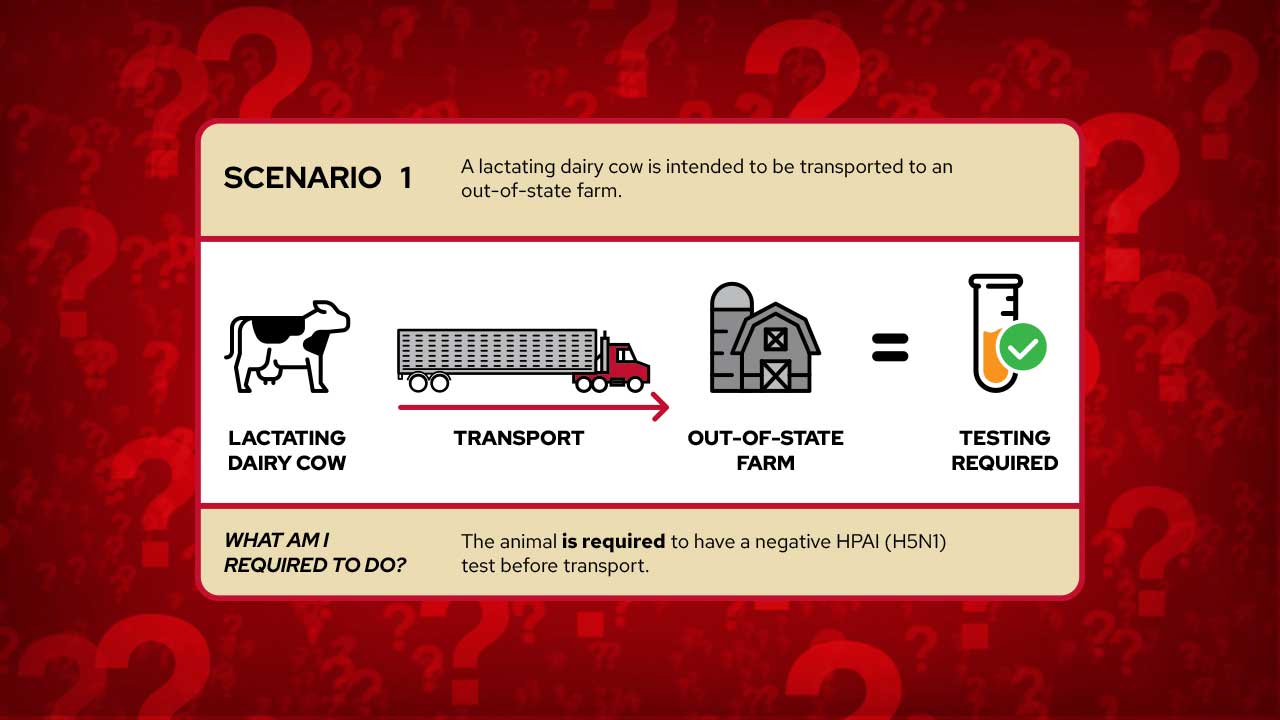
Read more about HPAI Requirements (with Visual Scenarios)
(Source: University of Wisconsin-Madison, Extension Dairy Program)
Note: This page may not include the most up-to-date information.
Current HPAI Situation in the United States
Protecting animals from HPAI
While stopping the transmission of HPAI is complex, several ways exist to protect dairy farms from exposure.
HPAI virus can be transmitted by waterfowl and other birds, infected cattle, and small mammals (skunks, raccoons, cats)
Minimize access of wild birds to cattle and their environment
Manage the movement of cattle and their transport as much as possible
Do not feed unpasteurized colostrum or milk to calves, cattle, or other mammals
Implement precautions for caretakers and veterinary teams handling sick cows, sick or dead birds, small mammals, and unpasteurized milk
Separate (quarantine) all new or returning animals for at least 21 days
Observations have reported a 4-6 day period of peak incidences in an affected herd that decreases at 10-12 days.
Animal symptoms may include:
- Drop in feed intake
- Drop in rumination
- Decreased milk yield
- Changes in milk (thicker and yellow to brown)
- Widespread increase in milk conductivity
- Respiratory symptoms
- Fever
On average, animals have been reported to recover within 30-45 days.
Contact your herd veterinarian if increased cow illness is observed in your herd, specifically in 2nd lactation or greater cows that are 150 days or more in milk.
Protecting humans from HPAI
The risk of humans getting HPAI is low, but infections have happened among highly exposed individuals. Humans exposed to infected animals should implement effective surveillance, preventative measures, and prompt treatment.
Possible signs and symptoms of avian influenza infection in humans are:
- Fever
- Sore throat
- Runny or stuffy nose
- Eye irritation
- Body aches
- Fatigue
- Shortness of breath
- Headaches
Read more Signs and Symptoms of Bird Flu in People from CDC.gov ↗️
Provide employees with personal protective equipment (PPE) and teach them how to use it. Ensure employees use PPE when in direct contact with potentially infected animals or animal products. PPE includes: properly fitted unvented or indirectly vented safety goggles, boots or boot covers, properly fitted NIOSH-approved respirators, disposable gloves, and disposable fluid-resistance coveralls and hair/head covers.
Learn more: What Employers Should Know About Highly Pathogenic Avian Influenza (HPAI) ↗️
Additional information about HPAI can be found on the Wisconsin Department of Health Services website ↗️.
UW-Madison and Michigan State University have a helpful video series about reducing the spread of bacteria and PPE tips ↗️, offered in both English and Spanish.
According to the Food and Drug Administration, “there continues to be no concern that this circumstance poses a risk to consumer health, or that it affects the safety of the interstate commercial milk supply because products are pasteurized before entering the market.” Additional resources about milk and food safety are available on the FDA website ↗️.
Other Resources
UW-Madison, Division of Extension
New Biosecurity Videos Teach Livestock Owners how to Mitigate Disease Spread
Wisconsin Veterinary Diagnostics Laboratory
National Milk Producers Federation
HPAI Resources, including state with travel restrictions and confirmed cases ↗️
National Milk Producers Federation and American Association of Bovine Practitioners
Secure Milk Supply (SMS)
What is Highly Pathogenic Avian Influenza (HPAI) H5N1 virus?
Highly Pathogenic Avian Influenza (HPAI) H5N1 virus is an emerging issue that poses a significant threat to the health and well-being of dairy herds. HPAI, primarily known for its devastating impact on avian species, has recently been observed and identified in dairy cows.
This influenza strain, characterized by its rapid transmission and morbidity among affected animals, requires coordinated action from all stakeholders.
Contact Us
The UW-Madison Extension Dairy Team is here to support you and answer questions about HPAI in Wisconsin.