Raising calves is a huge expense on any dairy farm and getting them off to a great start is important in cold weather as much as warm weather. Cold stress can increase the risk of disease in pre-weaned calves. Additionally, growth rates can plummet during the cold months unless we provide energy through a higher plane of nutrition or preserve energy by improving the calf’s environment. The thermoneutral zone is the temperature range where calves use no additional energy to maintain their core body temperature. A calf is born with only two to four percent of body weight as fat. If forced to burn fat to maintain body temperature, calves will typically have lower growth rates or compromised immune status. If not managed well, death rates in calves are higher during cold weather.
Temperature
Older calves can tolerate colder temperatures than calves less than one month old. The lower critical temperature in a calf less than one month of age is 48°F versus 32°F for an older calf. When temperatures drop below the lower critical temperature, calves will begin to use more energy to maintain their core body temperature and less to support growth and the immune system. Younger calves have more surface area and weigh less than the older calves, causing them to lose body heat quicker.
| Age in Days | Temperature in degrees Fahrenheit |
|---|---|
| 1 | 56 |
| 5 | 54 |
| 10 | 51 |
| 15 | 49 |
| 20 | 47 |
| 25 | 45 |
| 30 | 43 |
Newborns
Wet calves are susceptible to frost bite, so we need to get them dried off quickly after birth during the winter months. Once they are dry, we need to get calves warm quickly. Blankets or warming boxes can be great to help warm a newborn. Ensure the calf area is draft free and has a deep bedding pack, such as straw, which can help ensure they don’t lose too much body heat once warmed.
Bedding
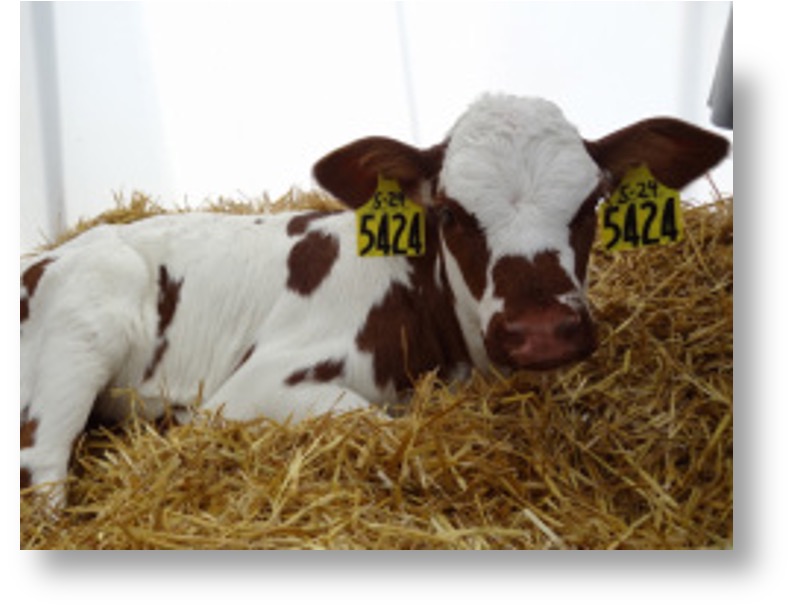
When the temperature drops, we want to ensure calves have sufficient deep, clean, and dry bedding to allow for nesting behavior. Calves should have a nesting score of 3, which means their legs are completely covered by the bedding and not visually seen. Bedding provides a cushion from the ground, separating the calf from the cold ground and any moisture (urine, water, milk, etc.) that has seeped through the bedding. Using bedding such as straw is recommended during the winter months as it helps reduce heat loss by conduction that would occur with sand bedding. Utilizing calf jackets can be a great tool for helping with cold weather. However, we must ensure the jackets are dry and cleaned between uses. In warm stretches of weather, monitor calves for sweating under the jacket. Jackets might need to be removed during the day and put back on at night. Adjustments might need to be made to jackets as the calf grows. Ensure the jacket isn’t rubbing against the skin and causing raw spots. A general rule of thumb is to use a calf jacket when the ground is frozen, and the calf is less than 21 days old.
Feeding
Just like in the summer, we need to provide calves with water. During the winter months make sure the water is warm, near the calf’s body temperature so the calf doesn’t need to burn energy to warm the water to body temperature, and that water sources do not freeze. Additional milk and calf starter may be needed when temperatures fall below the calf’s thermoneutral zone. Calves less than three weeks of age typically don’t eat much starter. Therefore, considerations should be made to increase calories through increased volume of milk at each feeding or through an additional feeding during the day, increased milk replace powder based on manufacturing recommendations as not to cause gastrointestinal issues due to too much concentration of solids, or addition of supplemental fat.
Ventilation
If using indoor housing, ensure it provides some ventilation and is draft-free. Temperatures shouldn’t fluctuate more than five degrees in a temperature-controlled building. Often respiratory issues increase during the winter months if indoor housing doesn’t allow adequate air exchange. If using hutches outdoors, make sure they are in a well-drained area and the wind isn’t blowing directly into the front of the hutches. A windbreak can be used to reduce the wind chill on calves if the wind direction is frequently an issue.
Cold temperatures should not cause a calf or producer additional stress. Being proactive in your management strategies during cold weather will help keep your calves warm and comfortable. Using the guidelines featured in this article can help a calf thrive during colder temperatures.