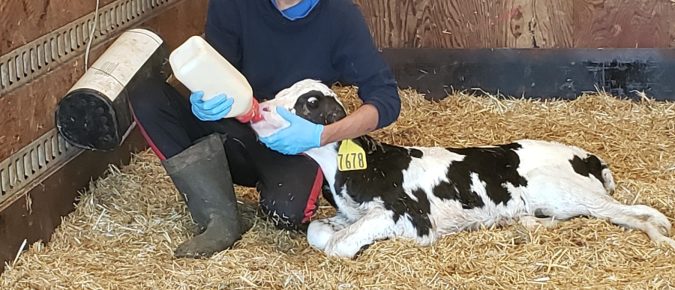
En esta charla, El Dr. Sebastián Umaña Sedó, profesor asistente de Medicina de animales de producción, de la universidad de Virginia Tech, nos habla acerca de factores modificables que los productores pueden incorporar día a día en su rutina para prevenir y controlar la diarrea neonatal, así como los puntos clave para crear un protocolo efectivo del tratamiento de diarreas a nivel grupal e individual.
In this presentation, Dr. Sebastián Umaña Sedó Assistant Professor, Production Management Medicine at Virginia Tech discusses modifiable factors that producers can incorporate into their daily routines to prevent and control neonatal calf diarrhea, as well as the key elements needed to develop an effective diarrhea treatment protocol at both the group and individual animal levels.
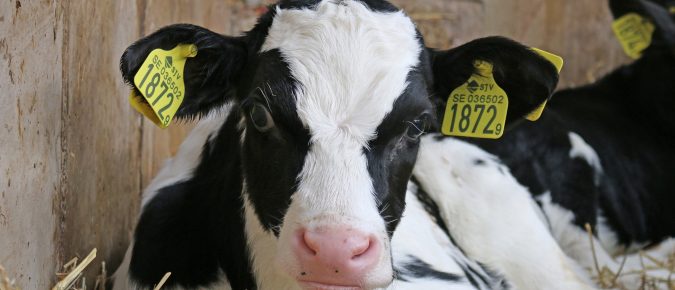
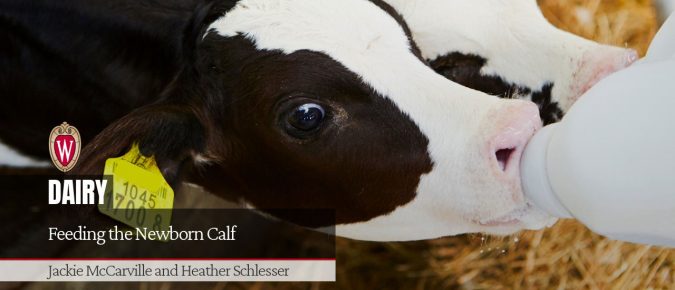
Feed newborn calves 3–4 quarts of clean, high-quality colostrum (IgG >50 g/L) within 4 hours of birth to ensure essential passive immunity.
En esta charla discutiremos cómo la implementación de programas intensivos de alimentación a terneras de reposición durante las primeras semanas de vida mejora su crecimiento, de qué forma afecta su desarrollo ruminal y su potencial productivo futuro.
Learn about implementing intensive feeding programs for replacement heifers during the first weeks of life improves their growth, how it affects their ruminal development and their future production potential.
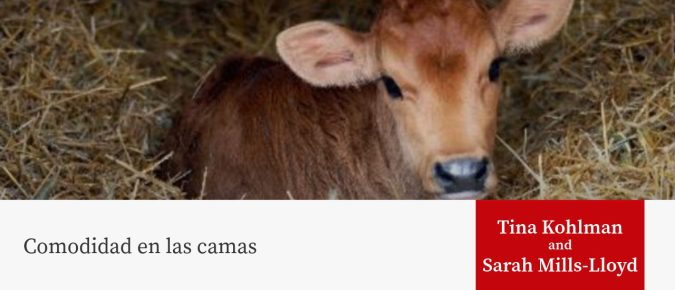
Proporcionar un ambiente excelente es clave para criar terneros con éxito. En el alojamiento de los terneros, el ambiente incluye el espacio que el ternero usa para descansar, las áreas de alimentación y las superficies por donde camina.
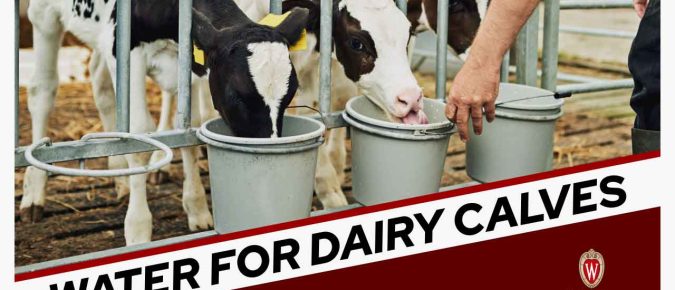
The importance of the water and how by providing warm water for calves, especially in colder weather, can benefit rumen development, increase starter intake, and weight gain, and growth performance.
Dairy producers should consider feeding a smaller volume of colostrum to newborn calves. Delivering the correct mass of immunoglobulin in a smaller volume ensures the successful transfer of passive immunity (TPI) is preferable to current colostrum feeding guidelines.
Bovine colostrum is the production of “first milk” from the mammary gland in the 24 hours after calving and it is the first source of nutrients for the calf. All female mammals produce it, and, in all species, it is of great importance, since it provides key antibodies, or immunoglobulins, to jump-start the immune system and determine whether the offspring survive or not.
The stomach of ruminants is made up of four compartments: the rumen, reticulum, omasum, and abomasum. Each compartment has a very specific characteristic and function to help the digestion and absorption of essential nutrients to the animal.
The importance of colostrum is no secret to dairy and livestock producers. Unlike many other species, the placenta of cattle prevents the transfer of antibodies from the dam to the calf in the uterus. Instead, calves must rely on colostrum, the cow’s first milk, to pass antibodies from dam to calf.
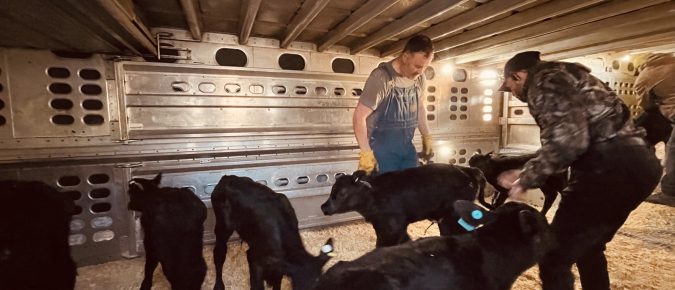
This article was originally published in the Wisconsin Agriculturist. In Wisconsin, it has become more common for pre-weaned dairy heifers and bulls to leave the farm before one week of age. Calves of this age can be transported easily, but first, they need to be ready for the trip as they have a reduced capacity […]


![Manejo Integral de la Diarrea Neonatal en Terneros de Leche [Video] ▶️](https://dairy.extension.wisc.edu/files/2026/09/2026-el-break-09-16-EN-675x290.jpg)
![Programas intensivos de alimentación en terneras [Video] ▶️](https://dairy.extension.wisc.edu/files/2025/09/3-Juan-David-Cantet-675x290.jpg)
![Intensive Feeding Programs: How to Transform a Calf Into a High-Production Cow [Video] ▶️](https://dairy.extension.wisc.edu/files/2026/05/El-Break-Info-Lechero-2025-EN-675x290.jpg)
![New Concepts in Colostrum Feeding for Dairy Calves [Video] ▶️](https://dairy.extension.wisc.edu/files/2024/09/Badger-Dairy-Insight-Feature-Card-Sockett-Breuer-play-675x290.jpg)