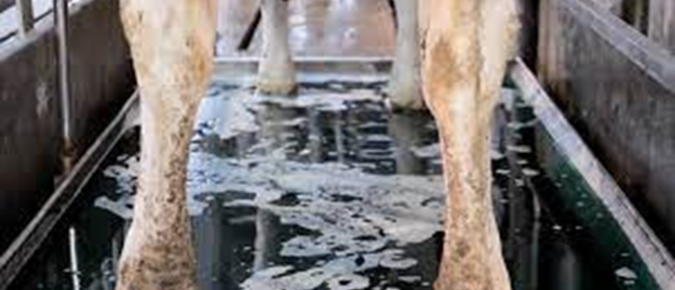
While all the data points of information at our fingertips to monitor is a positive, there are still areas to improve when it comes to animal health and Automated Milking Systems (AMS), particularly for hoof health.
The use of beef sires on dairy females has continued to be a common and growing management practice on dairy farms. During the summer of 2021, UW-Madison Division of Extension educators surveyed 40 dairy farms known to be using beef sires to breed dairy females to assess their beef x dairy sire selection criteria, selection of dairy females to breed to beef sires, newborn calf management, milk feeding practices, and how they market their beef x dairy cattle.
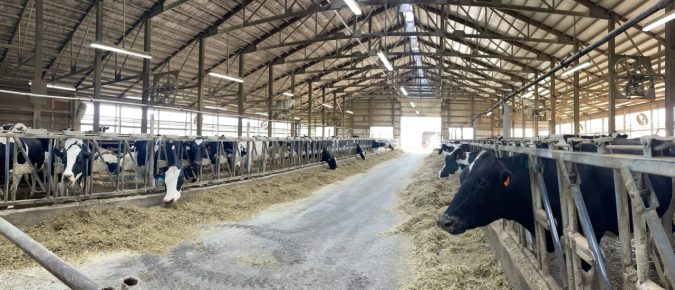
Ventilation is an important part of managing a dairy barn for maintaining air quality, removing heat and moisture, and providing a comfortable environment for dairy cattle. There are typically three types of ventilation systems used in dairy buildings: natural, mechanical, or a combination of the two.
Dairy cattle selection programs aim to improve the profitability and sustainability of the dairy industry, either by targeting traits that increase revenue or traits that reduce expenses. Fertility is one of several major trait categories that includes production, longevity, health, calving ability, conformation, and sustainability.
Why is it that dairy farms in my area are averaging under the Wisconsin average of 24,884 pounds of milk per cow? This question got me asking questions to some farmers and agri-service providers. One piece of the puzzle that emerged is that we may need to be paying closer attention to transition cows in our smaller herds. Care of the transition cow is not a new concept, but management strategies for the smaller farm may be overlooked when recommendations are shared.
Ammonia emissions from agriculture can be mitigated using management practices to reduce impacts to human health and the environment.
The three–week period before and after calving is one of the most challenging times for dairy cattle because they must cope with physiological challenges such as decreased dry matter intake, impaired immune system function, and increased metabolic and systemic inflammation (Drackley, 1999; LeBlanc, 2010). After calving, inflammation has been documented in cattle (Bionaz et al., 2007; Huzzy et al., 2009). This suggests that cattle experience some degree of inflammation due to tissue damage associated with birthing and the immense metabolic demand associated with the onset of lactation (Bradford et al., 2015).
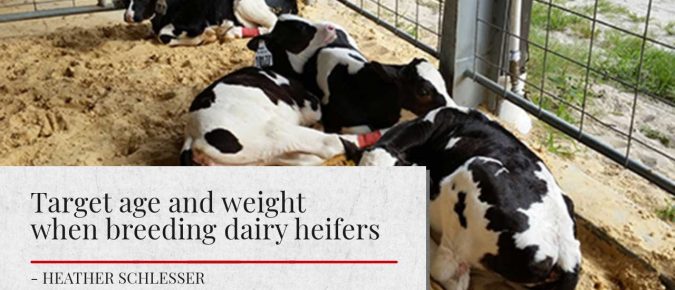
Raising heifers is one of the most cost-intensive areas of the farm. From the day these animals hit the ground until they calve, they are a monetary burden on the farm. Therefore, getting these animals to calving as efficiently as possible makes sense.
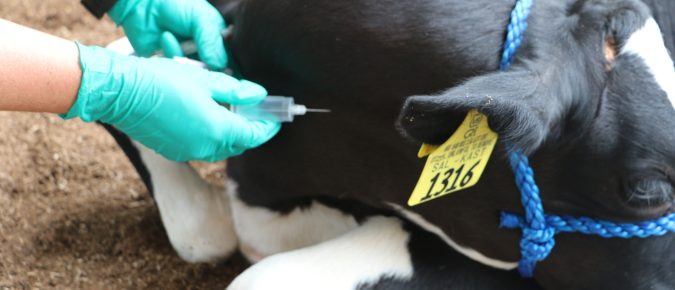
Blood samples obtained from calves is a common procedure can be very useful for a variety of reasons including testing for disease and determining the transfer of passive immunity. The quick and relatively simple method of taking blood samples can be low-stress and painless for both the animal and the individual. However, knowing where and how to place the need quickly to get a sample is important.
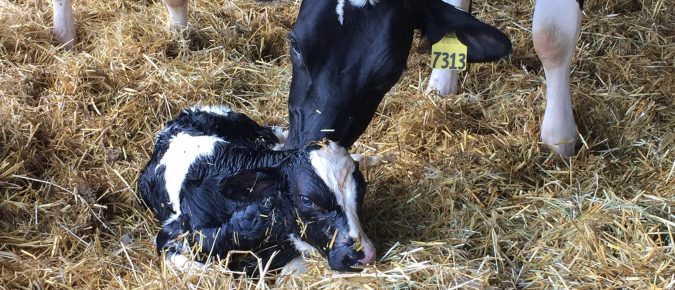
A sound colostrum management program should be the cornerstone to every farm’s calf management program. Calves are born with a naive immune system, one that does not have enough circulating antibodies to help fight disease. Because of this they are highly susceptible to disease for the first few weeks of life.
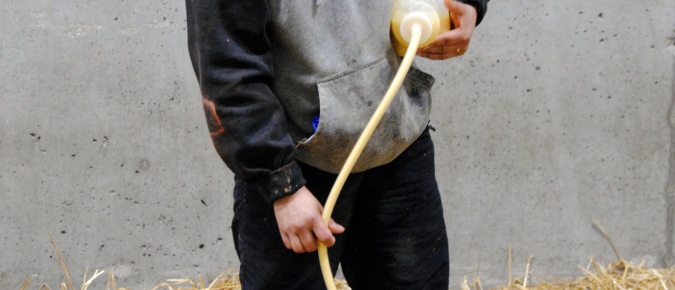
Colostrum management is the single most important factor in determining calf health and survival. Successful colostrum management requires farmers and managers to provide newborn calves with a sufficient amount of clean, high-quality colostrum within the first few hours of life.
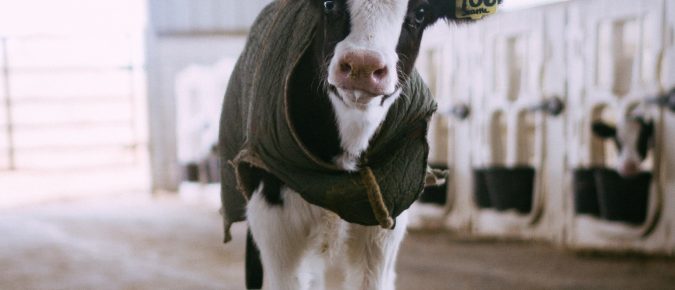
Keeping calves healthy and alive is a critically important factor that contributes to a dairy farm’s success and profitability. The job of keeping a calf healthy begins at birth. Birth to three months of age is the most sensitive rearing period for the young calf. With biological, environmental, and nutritional stressors, the success of the first rearing phase depends on calf managers and feeders paying special attention to detail.