
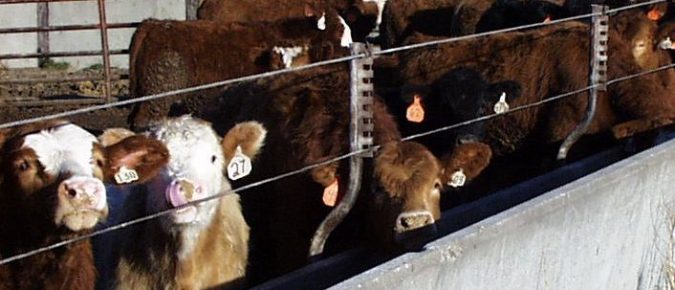
Animal drugs by a different name
Shopping for deals and managing inventory are two ways to lower livestock drug costs. Have you ever been confused by the different brands available? How do you know which is the better buy?
Division of Extension

Shopping for deals and managing inventory are two ways to lower livestock drug costs. Have you ever been confused by the different brands available? How do you know which is the better buy?
Green is my favorite color. Green tree buds, lawns, and pastures signal that winter is finally over. It’s very tempting to turn young stock out onto newly green pasture. We are tired of indoor feeding and cleaning, and we have fieldwork and other chores to attend to. However, tempting as it is to open the pasture gate, first remember these worm management steps.
There are times when cattle producers need to come to the aid of a downed animal. Daily observations should identify cattle that are unable to stand and there must be a plan in place for how to quickly respond to help these animals.
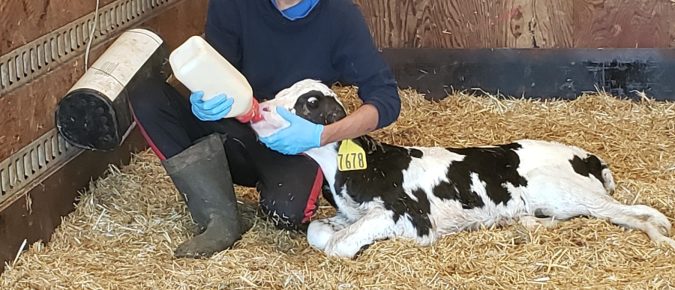
Bovine colostrum is the production of “first milk” from the mammary gland in the 24 hours after calving and it is the first source of nutrients for the calf. All female mammals produce it, and, in all species, it is of great importance, since it provides key antibodies, or immunoglobulins, to jump-start the immune system and determine whether the offspring survive or not.
The stomach of ruminants is made up of four compartments: the rumen, reticulum, omasum, and abomasum. Each compartment has a very specific characteristic and function to help the digestion and absorption of essential nutrients to the animal.
The importance of colostrum is no secret to dairy and livestock producers. Unlike many other species, the placenta of cattle prevents the transfer of antibodies from the dam to the calf in the uterus. Instead, calves must rely on colostrum, the cow’s first milk, to pass antibodies from dam to calf.
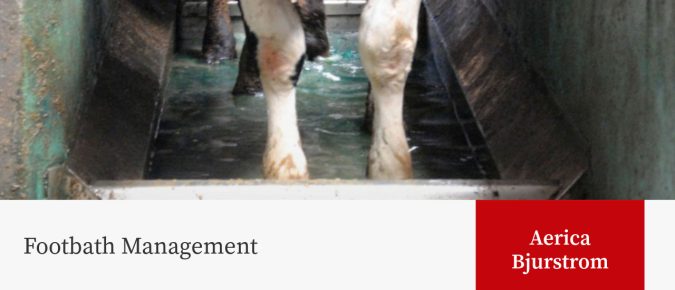
Footbaths are the most commonly used management tool to control Digital Dermatitis (DD) on dairy farms. Proper footbath use will make DD management more effective and save money by reducing the amount of solution used.
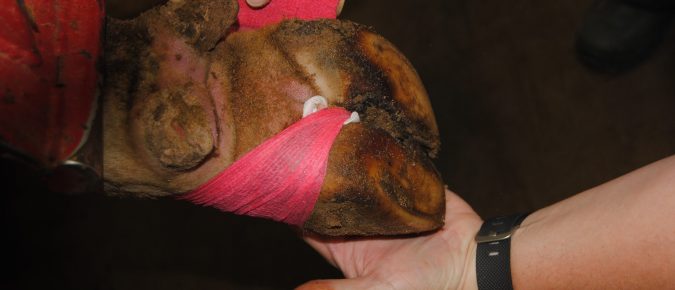
Digital dermatitis is one of the most common foot diseases of the dairy cow and can be found in even well-managed dairy herds. It is an infectious disease caused by a family of spiral-like bacteria called Treponema. Special attention must be given to this foot disease in order to treat the animals which serve as a reservoir of infection and to reduce the spread of infection.
Fresh cows are the most important, and most vulnerable, group of cows in the barn. The first few weeks post-calving is the highest risk period for several diseases. Most infections, diseases, and/or metabolic disorders, such as milk fever, ketosis, retained placentas, metritis, mastitis, and displaced abomasums, or DAs, occur during this time.
Fresh cows have the greatest production potential in a dairy, but they are very susceptible to disease. The post-calving period is a critical time in a cow’s life for its well-being and performance. Fresh cow metabolic disorders can hinder lactation and subsequent reproductive efficiency.
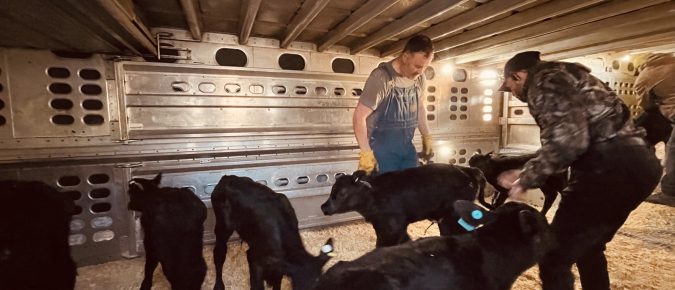
This article was originally published in the Wisconsin Agriculturist. In Wisconsin, it has become more common for pre-weaned dairy heifers and bulls to leave the farm before one week of age. Calves of this age can be transported easily, but first, they need to be ready for the trip as they have a reduced capacity […]
Feeding to maximize milk components has been an indispensable practice to optimize dairy profitability and homegrown forages are vital for this process. High-quality corn silage supplies energy for both the maintenance and lactation of high-producing cows.
![New insights about corn silage fatty acids [Video] ▶️](https://dairy.extension.wisc.edu/files/2023/04/DSC_0937-675x290.jpg)