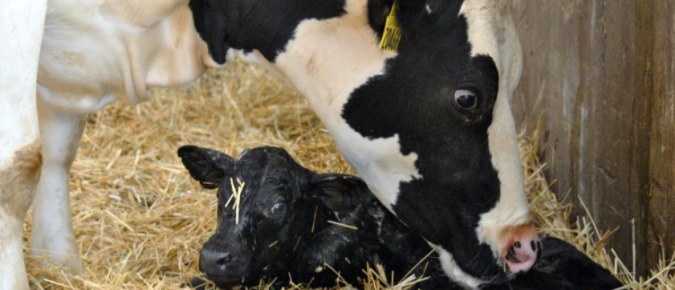
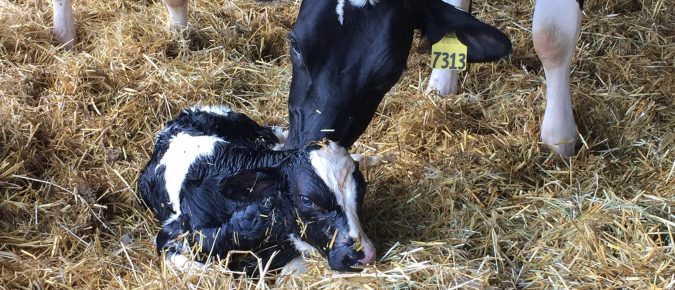
Animal care and welfare starts on day one with the newborn calf. Healthy calves are the cornerstone of every dairy operation, not only providing the future genetics for the herd but healthy calves are also important to the vitality of the dairy farm.
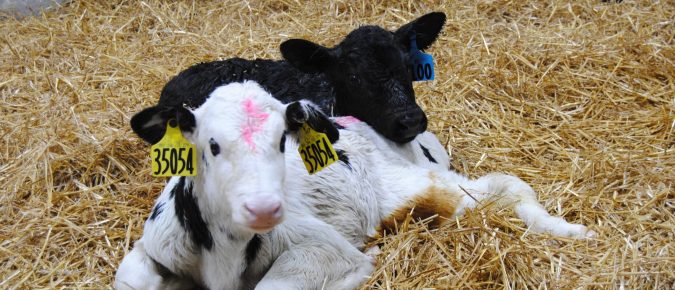
Heifers represent the future of the dairy operation, bringing genetic progress to the milking herd. Raising heifers is costly and improving efficiencies in raising them can have a financial impact on the overall profitability of the dairy business.
Superior calf performance begins during the birthing process in the maternity pen. Based on the 2017 USDA NAHMS Survey, five to seven percent of all newborn calves are stillborn or die within the first 48 hours. To improve calf survival after birth, we must follow practical, consistent calving protocols and provide a clean, dry calving environment.
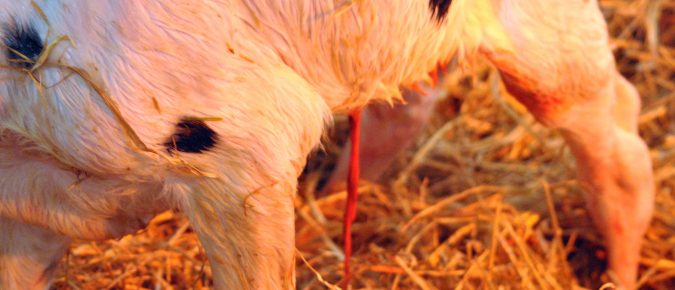
One of the simplest best management practices we can do for the newborn calf is navel care. Previous University of Minnesota research showed in a controlled study that umbilical cord care significantly reduced the risk of developing umbilical cord infections.
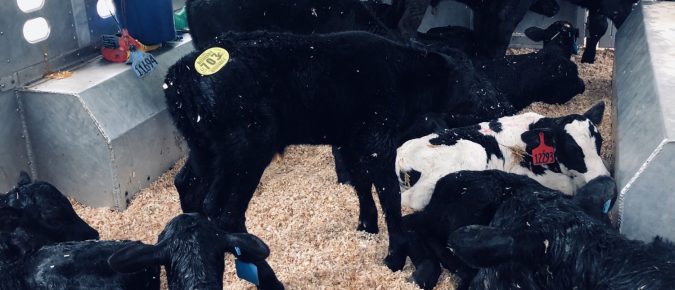
As operations grow, or focus more on the milking herd, it has become a necessary component in moving newborn calves from the farm to a separate calf raising facility, some being out of state. Handling and transporting these calves can be stressful. However, there is limited research on the impact of long-distance travel on a newborn calf’s welfare.
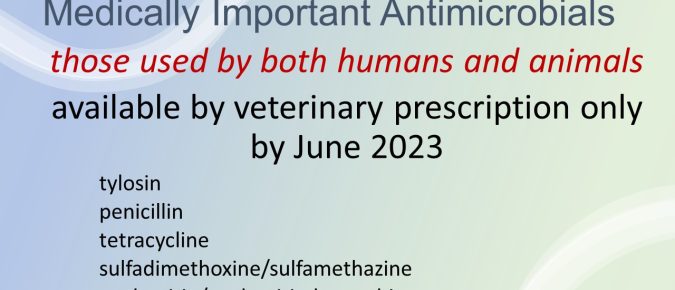
The FDA’s Center for Veterinary Medicine (CVM) plan for supporting veterinary antimicrobial stewardship will be fully implemented in 2023 when all remaining over-the-counter (OTC) antibiotics are switched to prescription-only status.
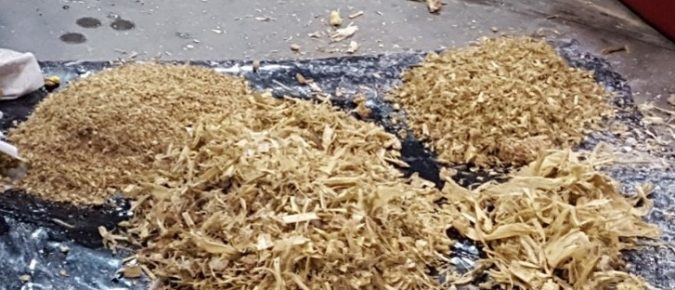
Ruminants are built to eat quickly, so paying attention to what is going into their mouth will ensure they receive proper nutrition. Starch utilization is improved by making sure corn is broken down into smaller pieces, not just cracking the kernel into two pieces. The increased exposed surface area of the inner parts of the corn kernel allows the animal to get the most out of their corn silage feed since rumen bacteria have better access to the starch inside the corn kernels. The improved access to the starch is one reason it is so important to have proper corn processing.
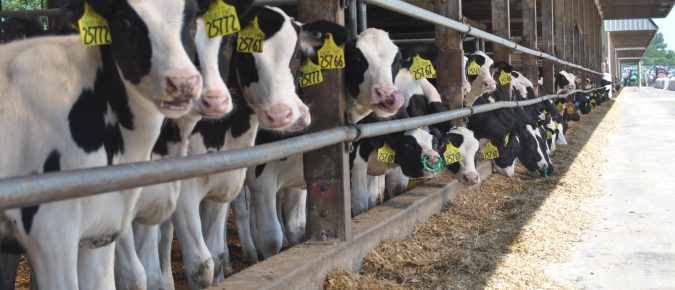
Hoof health is essential for not only the overall health of the animal, but also for her welfare. Digital dermatitis (DD), or hairy heel warts, is an extremely painful condition for dairy cattle, reducing their ability to walk to and from the milking parlor, or to the feed bunk. Based on USDA NAHMS 2017 data, 16.8% of all cows and 2.6% of bred heifers have lameness on a dairy operation.
With the cost to raise a dairy replacement being more than to purchase one, farmers must be diligent in raising a dairy replacement to enter the milking string at the optimal time and weight to reduce rearing costs and increase productivity. Numerous studies recommend the optimal age at first calving (AFC) is 24 months of age. Any delay past 24 months will add an additional $2.50, or more, a day to the cost of raising replacements as well as require more heifers to meet the herd replacement needs.
In 2019 Cargill conducted a Feed4Thought survey of consumers from the United States, China, Mexico, and Spain. In this survey, they asked consumers to identify the word that best described what they wanted a farmer to be. The survey showed 30% of respondents wanted farmers to be “sustainable.” The second most-used word to describe what […]
Studies to evaluate cocktail forage mixes were conducted in 2021 and supported by the UW Dairy Innovation Hub. Research discussed here includes collection of on-farm data from four farms growing a cocktail forage mix and a lactating cow feeding trial at the UW Marshfield Agricultural Research Station (ARS). Please refer to the “Cocktail Forage Mix […]
The nutrient needs of dairy heifers change with age and size as they approach maturity with feed intake increasing and diet nutrient concentrations decreasing (Table 1). This is due to changes in growth with heifers having a higher rate of protein growth prior to breeding with slower protein growth as they approach mature body weight. […]


![You can’t manage what you don’t measure: Knowing and managing heifer weights [Video] ▶️](https://dairy.extension.wisc.edu/files/2022/08/Weighing-heifers-2-Aerica-675x290.jpg)