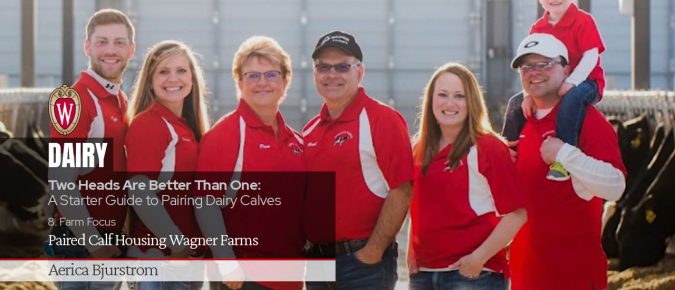
Paired Calf Housing Wagner Farms [Video] ▶️
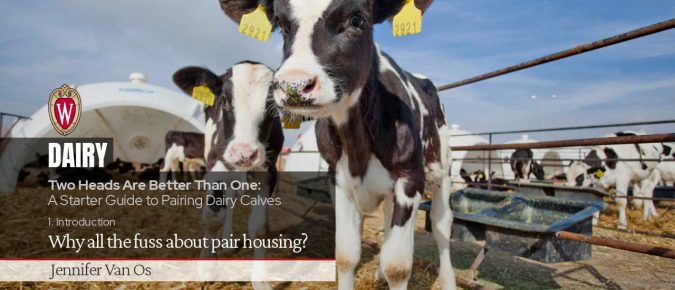
Paired calf housing boosts dairy farm productivity and calf social development by improving growth rates, reducing disease, and potentially lowering labor costs.
Division of Extension

Paired calf housing boosts dairy farm productivity and calf social development by improving growth rates, reducing disease, and potentially lowering labor costs.
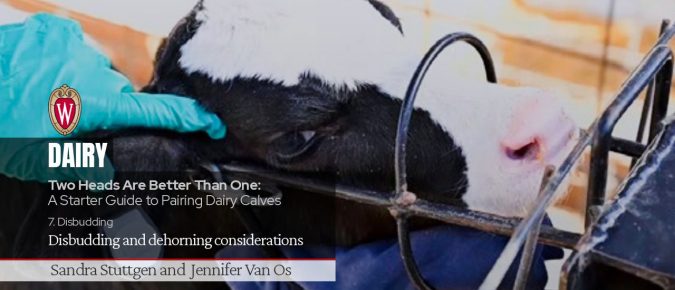
Disbud calves before 8 weeks using pain control and approved hot iron or caustic paste methods under veterinarian guidance.
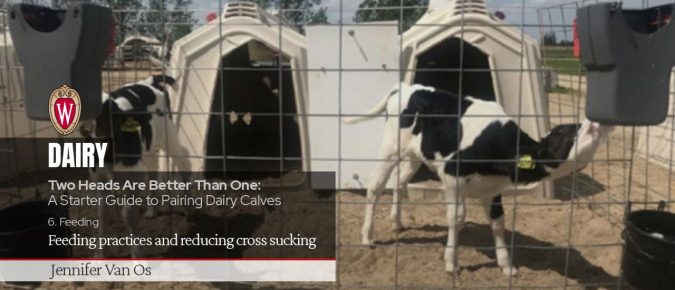
Cross-sucking and milk-stealing in dairy calves stem from natural, unfulfilled suckling instincts and restricted milk feeding.
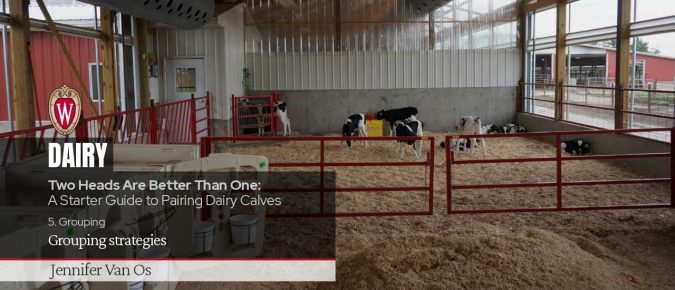
Social calf housing improves feed intake and cognitive development when managed through optimal group sizing and age-matching.
Proper execution of these housing systems ultimately drives better health outcomes, reduced stress, and increased early-life weight gain.
Socially housing dairy calves improves welfare, growth, and adaptability. Many producers find that raising calves in pairs benefits the industry.
Socially housing dairy calves improves welfare, growth, and adaptability. Many producers find that raising calves in pairs benefits the industry.
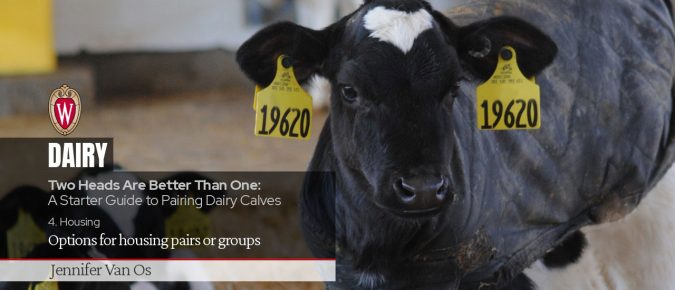
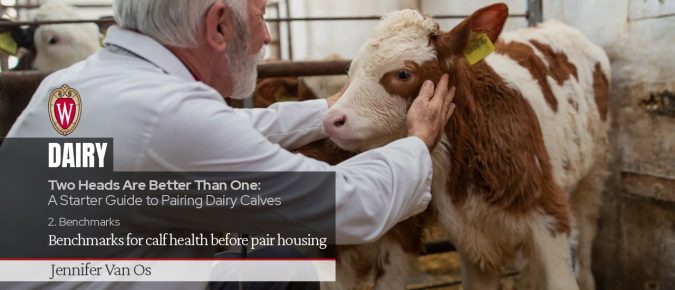
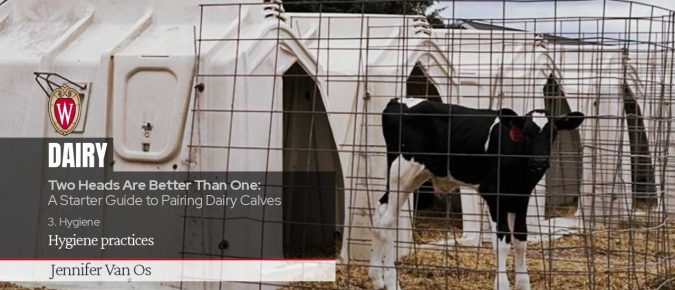
Guidelines for dairy producers transitioning to pair or group calf housing, focusing on biosecurity, sanitation, and bedding management.
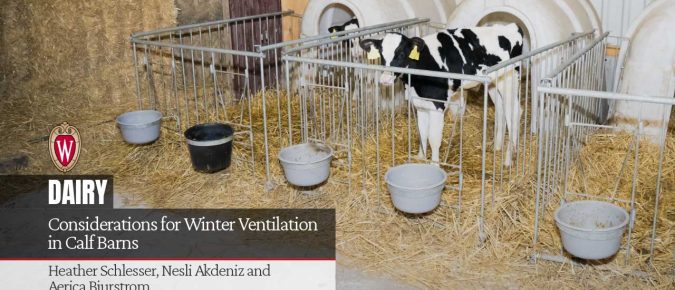
Details on winter airflow, moisture control, PPTV systems, and unheated barn management.
This webinar presented a systems-based approach to transforming mortality management into a consistent five-pillar process: confirm, move, dispose, document, and monitor.
En este webinar se presentó un enfoque sistémico para transformar el manejo de bajas en un proceso consistente de cinco pilares: confirmar, mover, disponer, documentar y supervisar.
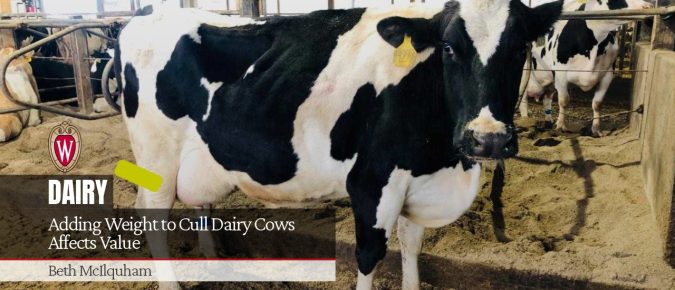
Proactive cull cow management boosts dairy farm income and animal welfare, while finish-feeding thin cows improves meat quality and profit.