Feeding High-Oleic Soybeans to Dairy Cattle
High-oleic soybeans offer dairy farmers a lower milk-fat-depression risk than conventional soybeans, with research showing increased milk fat and similar yields.
Division of Extension

High-oleic soybeans offer dairy farmers a lower milk-fat-depression risk than conventional soybeans, with research showing increased milk fat and similar yields.
Evalúe el Índice de Condición Corporal (ICC) para optimizar la salud, producción de leche y reproducción. El puntaje ideal al parto es 3.0.
Research-based strategies to improve dairy cattle health, welfare, and marketability through proactive herd management and animal care standards.
See your farm through a new lens — and get better data while you’re at it. Find out how drones are changing the way dairy farmers monitor fields, animals, and environmental conditions. You’ll hear directly from researchers about real field trials, learn how drone measurements stack up against traditional methods, and walk away knowing what these findings could mean for your operation.
Free online tools help dairy farmers design mechanical ventilation systems, compare fan efficiency, and estimate long-term energy costs.
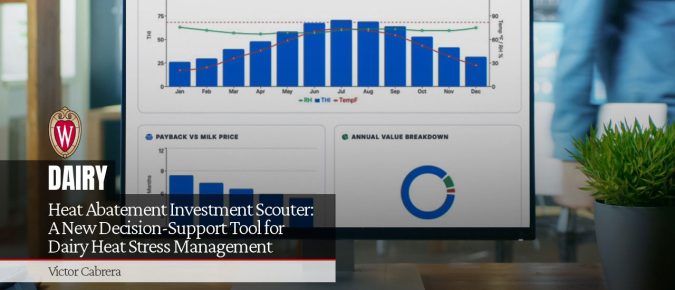
Heat stress can reduce milk production and hurt cow health. The Heat Abatement Investment Scouter from UW–Madison Extension helps dairy farmers compare the cost of cooling upgrades with potential milk losses. This tool supports smarter decisions that improve cow comfort and farm profitability.
Well‑managed pastures can deliver highly digestible, protein‑rich forage. Pasture alone rarely provides a perfectly balanced diet, especially for high‑producing dairy cows. Join us to hear from a dairy farmer using virtual fencing on his dairy heifers, research done on performance of heifers raised on pasture and in confinement operations, and how to get the most out of pastures to raise our dairy animals.
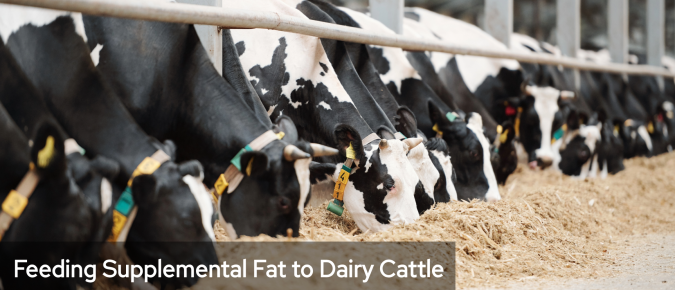
Fat is a common, energy-dense nutrient for dairy cattle. While many ration ingredients contribute to the fat content of the diet, feeding supplemental sources of fatty acids can positively influence milk yield, milk composition, and reproductive performance of dairy cattle. As a result, supplemental fat feeding is a common strategy used by dairy farmers and their nutritionists.
Today, antimicrobial stewardship is no longer just a buzzword. It is a critical part of modern dairy herd management.
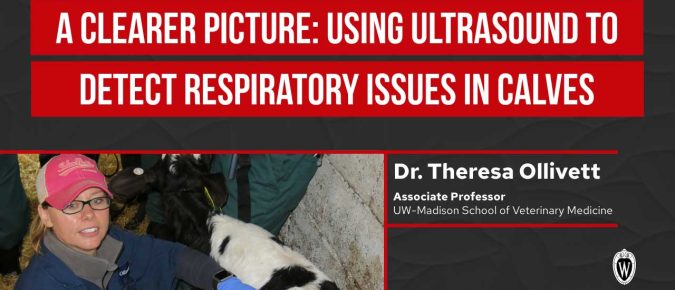
Dr. Theresa Ollivett, Associate Professor at the University of Wisconsin–Madison School of Veterinary Medicine, dives into the hidden challenges of respiratory disease in young dairy calves.
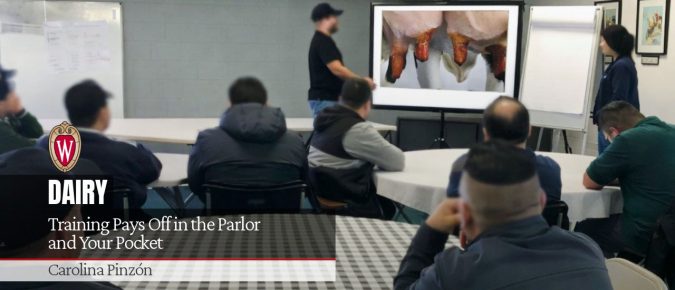
Structured and continuous training is one of the most cost-effective investments a farm can make.
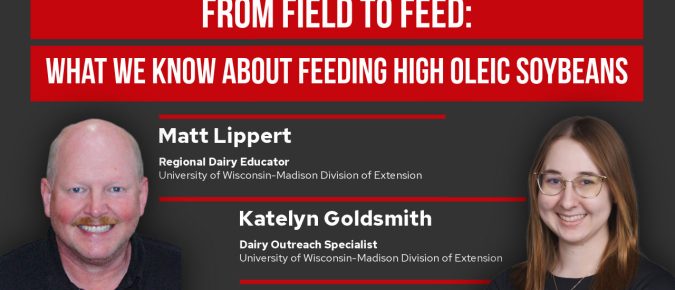
Extension educators Katelyn Goldsmith and Matt Lippert dive into the cow side and discuss fatty acid profiles, potential butterfat benefits, and practical feeding strategies.